Best practices for cell line quality control in 2026

Introduction to cell lines
Cell lines are fundamental tools in modern biomedical research. However, studies using cell lines are frequently challenged by issues such as misidentification, microbial contamination, and genetic instability. As there is an increasing demand for in vitro models and as publication criteria become more stringent, it is imperative to follow standardized cell culture procedures and to pay attention to quality control, including cell line authentication and contamination checks, in order to obtain consistent and reliable results.1-4

Why cell line quality control matters

Cell culture, or tissue culture, is a cornerstone of modern scientific research. Cell lines are widely used preclinical models for drug development and biomanufacturing, and their use is expected to increase as in vitro systems progressively replace animal models. Nevertheless, cell line research is fraught with challenges, such as misidentification, contamination, and genetic instability. These issues can quietly undermine experiments long before results are published. One of the most widely recognized causes of compromised data integrity is cell line misidentification, frequently resulting from cross-contamination events. Highly proliferative cell lines, such as HeLa, can dominate slower-growing cultures, even when present at very low abundance, leading to complete replacement of the intended cell population. The International Cell Line Authentication Committee (ICLAC) maintains a list of current misidentified or cross-contaminated cell lines, showing that this problem continues despite being a recognized issue for a long time.

Interestingly, the true identity of cell lines during acquisition may not guarantee long-term integrity in experiments because of events, including chromosome instability, changes in copy number, and emergence of favorable subclones, which are collectively known as genetic drift. Such events may lead to significant changes in cellular phenotype, including proliferation rate, metabolism, and sensitivity to experimental conditions. Therefore, the quality control of cell lines must be considered as a continuous process instead of a single authentication, as emphasized by the recommendations of the International Society of Stem Cell Research (ISSCR). Inaccurate cell lines may lead to irreproducible and biologically invalid findings, a critical issue evidenced by over 50,000 studies conducted with misidentified or contaminated cell lines. To combat this, ICLAC maintains a current list of misidentified and cross-contaminated cell lines, which contains 593 entries. Thus, due to the widespread use of cell lines. Stringent quality control is vital to guarantee the data reproducibility.1-5

Common contaminants and cross-contamination risks

Microbiological contamination of cell cultures remains a major concern for laboratories worldwide. The principal contaminants encountered in cell culture systems include fungi, bacteria (including mycoplasmas), and viruses, which may originate from multiple sources such as laboratory air, operators, raw materials, or the tissues from which cells are derived. Contamination by fungi and by most bacterial species is generally easy to detect, as these organisms cause visible changes in culture medium color and turbidity, are readily observed under routine optical microscopy, and induce marked alterations in cell morphology. To reduce the risk of contamination, many laboratories incorporate antibiotics into routine cell culture practices. However, several research has shown that the use of antibiotics can mask the presence of low-level or slow-growing bacterial contaminants rather than eliminate them, thus allowing persistent contamination to remain undetected. This can thus hinder the detection of contaminated cultures and the outcome of experiments.

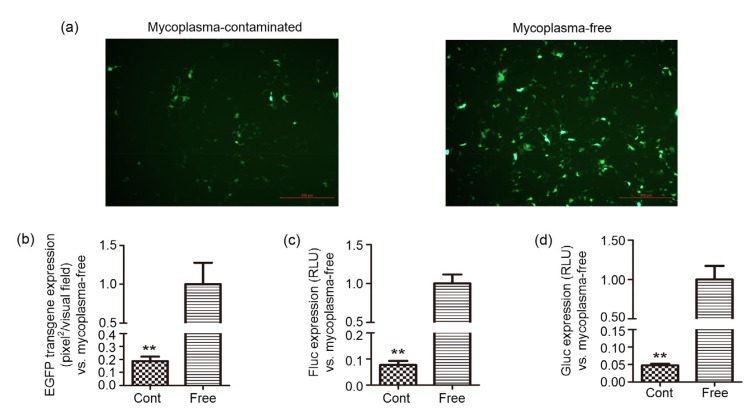
Mycoplasma contamination in cell culture is observed in 15-35% of cell lines, primarily due to human error, and is also resistant to sterilization and detection procedures. Mycoplasma contamination interferes with vital biological processes and can remain undetected, with the rate possibly reaching 85%. About 11% of gene expression datasets contain mycoplasma DNA, thus highlighting its prevalence. Cross-contamination and microbial contamination can also affect the validity of scientific studies, especially in chemotherapeutic studies. Eradication of mycoplasma is impossible, and hence its constant monitoring and adherence to aseptic techniques are essential. Publication of research articles requires cell line verification and mycoplasma testing, while regulatory agencies require mycoplasma screening during biopharmaceutical production processes to ensure safety and quality.1,6-8
Zhang, Y., et al. (2024). Mycoplasma contamination-mediated attenuation of plasmid DNA transfection efficiency is augmented via L-arginine deprivation in HEK-293 cells. Cytotechnology.

Authentication methods for cell lines

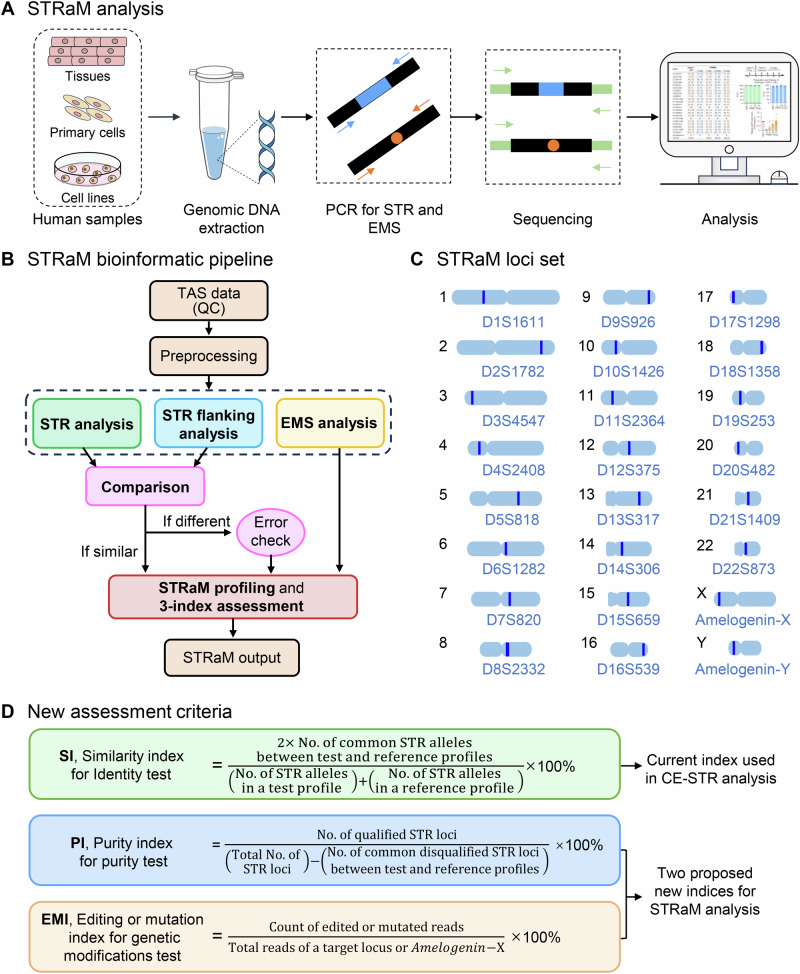
Cell line authentication is the process of verifying the identity of the cells. This process may involve verifying that the cell lines are not contaminated and are from the right species and donor. Cell line authentication is a crucial quality control process that helps to prevent misidentification, cross-contamination, and irreproducibility in research. Short tandem repeat (STR) profiling remains to be the most common and globally acknowledged approach for human cell line validity. In STR analysis, microsatellite loci are amplified using PCR, and a genetic fingerprint is produced that can be matched with reference samples. This approach provides a reliable way of determining cell line validity and gross contamination since STRs are highly variable among individuals but consistent within a cell line. Standard STR profiling with PCR and capillary electrophoresis is employed for the authentication of cell lines and presence of cross-contamination, as per similarity thresholds established by international guidelines. However, STR analysis is limited by the number of loci analyzed, potentially missing low-level contamination and subtle genetic changes in long-term or genetically unstable cell lines, and offers little information regarding sequence context, copy number variation, or other genomic changes acquired during extended passaging.
Authentication methods for cell lines
Fan, X., et al. (2025). STRaM: A genetic framework for improved cell product provenance for research and clinical translations. Nature Communications.
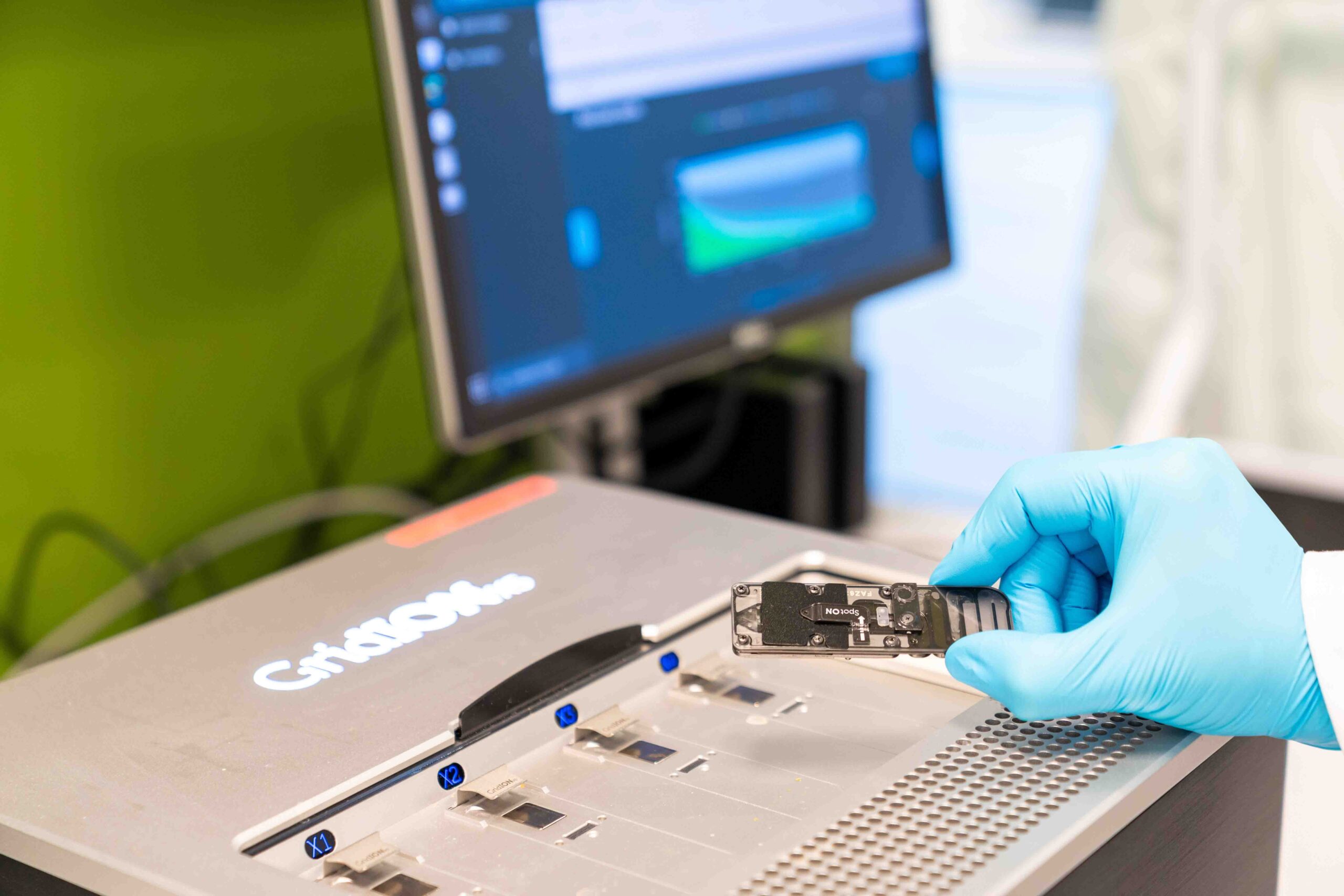
Authentication technologies based on sequencing, especially next-generation sequencing (NGS) are advancing cell line quality control through better identification of cell line properties. NGS enables more sensitive STR profiling compared to conventional approaches, enabling one to detect cross-contamination and even minor contaminating populations. Moreover, NGS with single-nucleotide polymorphism (SNP) analysis provides superior strength and resolution with comprehensive genomic coverage to examine contamination and genetic drift. These methods are especially useful in a complex model, such as stem cells and transfected cell lines, where genetic instability can affect research findings. It is, however, important to note that sequencing technologies are complementary to STR profiling. STR analysis is still the gold standard for cell line authentication, while NGS provides higher sensitivity and information on the genomic content when needed. Together, these technologies enhance cell line authentication and improve the reproducibility of biomedical research.3,4,9,10

Best practices for culture conditions and monitoring

Healthy and robust cell cultures need to be vigilantly maintained under controlled culture conditions and consistent monitoring according to Good Cell Culture Practice (GCCP). Regular checks of morphology, confluency, growth patterns, and doubling times help in the early detection of stress, contamination, or genetic instability. The passage number needs to be carefully monitored because prolonged passage can result in genetic and epigenetic drift, and experiments need to be conducted using early-passage frozen stocks within defined limits. Carefully optimized and lot-tested media should be used, and all modifications should be recorded, but the routine use of antibiotics should be avoided to prevent hiding contamination by emphasizing aseptic technique.

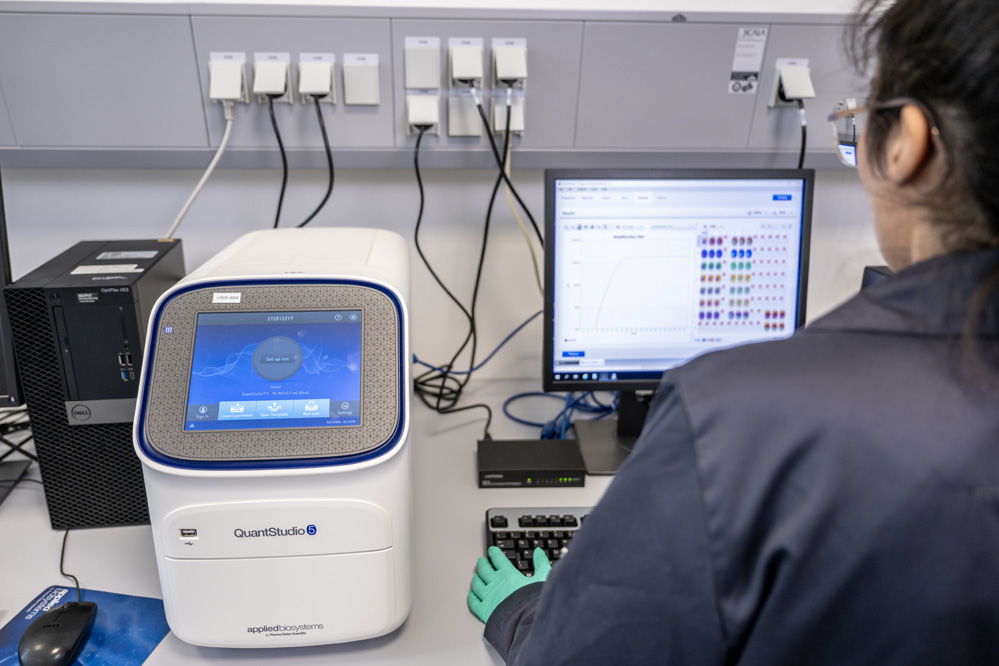
An essential part of proper cell culture procedures is cryopreservation of early-passage cells. By employing controlled-rate freezing and cryoprotectants such as DMSO, master and functional cell banks should be established and maintained at a temperature below −130 °C, preferably in vapor-phase liquid nitrogen. Cells should be rapidly thawed, with post-thaw viability and morphology assessed before use. Regular monitoring for microbial contamination, especially mycoplasma, is critical. Screening should be performed before cryopreservation, after thawing, and prior to key experiments using sensitive methods such as PCR. Contaminated cultures should be discarded or, if irreplaceable, treated with validated eradication protocols.11,12

Regulatory and journal requirements for cell line documentation

In recent years, there have been more stringent requirements for the documentation of cell lines introduced by journals and funding agencies. Many leading journals, such as those published by Nature Portfolio, American Association for Cancer Research (AACR), PLOS, and Wiley, require authors to provide information about all cell lines used in the study, including species, sex, tissue of origin, official cell line name, source, and Research Resource Identifiers (RRIDs), in the Materials and Methods section. These requirements also include authors’ statements about whether cell lines have been authenticated, how they have been authenticated (e.g., by short tandem repeat profiling), when last testing was performed, and whether routine mycoplasma screening has been performed.

The use of RRIDs, as promoted by the Resource Identification Initiative and databases such as Cellosaurus, is strongly encouraged or mandated by many journals to enable unambiguous identification of cell lines across publications. In parallel, major funding agencies such as the U.S. National Institutes of Health (NIH) expect researchers to authenticate key biological resources, including cell lines, as part of rigor and reproducibility requirements in grant applications. Collectively, these policies reflect a broader shift toward standardized reporting and traceability of cell lines, and researchers are strongly encouraged to include recent authentication reports and contamination testing results, either within manuscripts or as supplementary material, to support transparency and compliance with journal and funding requirements.13-15

Future directions: digital tracking and NGS authentication

The quality control of cell lines will become progressively dependent on high-resolution genomic technologies and integrated digital provenance systems to counteract the drawbacks of earlier methods and to enable continuous monitoring of cell lines in their progression over time. Deep sequencing methods, including deep NGS-based barcoding, can authenticate, characterize, and detect low-level contamination in large sample sets with greater sensitivity than traditional STR or SNP assays (~≤1% sensitivity), allowing more comprehensive measurement of identity, minor contaminants, and genetic drift in cell lines, xenografts, and organoids. The broader use of NGS in authentication processes is associated with enhanced identification of cross-contamination, subtle genomic alterations following extended culture, and complicated sample mixtures that cannot be identified using conventional STR panels. The incorporation of high-throughput sequencing into quality control processes may help ensure that cell line profiles remain consistent over time, particularly in large biobanks or facilities that handle multiple model systems. There have also been advances in the incorporation of digital provenance and traceability technologies, such as blockchain, into the secure tracking of biospecimen and genomic data. Utilizing NGS-based cell line identification alongside digital technologies ensures thorough monitoring of cell line identity and quality, promoting data integrity in collaborative biomedical research and facilitating early detection of genetic contamination or drift.2,3,9,16

Frequently asked questions about cell line quality control

How often should cell lines be authenticated?
Best practice is to perform cell line authentication (typically via STR profiling for human cell lines) when a cell line is received, before creating master stocks, at regular intervals during culture, and before key experiments or publication. Because genetic drift and cross-contamination can occur over time, authentication should be treated as a continuous QC process, not a one-time check.  

What is the best method for human cell line authentication: STR profiling or NGS?
STR profiling remains the gold standard for routine human cell line authentication because it is widely accepted by journals and guidelines. NGS-based authentication (e.g., sequencing-enabled STR, SNP analysis, or deep barcoding) can add value when you need higher sensitivity (detecting minor contaminant populations), deeper insight into genomic changes, or improved tracking of genetic drift, especially in genetically unstable or complex models (e.g., stem cells, engineered lines).  

Why is mycoplasma testing critical for cell line quality control?
Mycoplasma contamination is common, often invisible under routine microscopy, and can alter cell physiology, growth, metabolism, and experimental readouts, quietly damaging reproducibility. Best practice is to test for mycoplasma using sensitive methods such as PCR/qPCR before cryopreservation, after thawing, and prior to critical assays. Relying on antibiotics is risky because they can mask contamination rather than eliminate it.  

What are the most common causes of cell line misidentification and cross-contamination?
The most frequent causes are handling errors, shared reagents, aerosols/splashes, and mix-ups during passaging or labeling, leading to cross-contamination. Highly proliferative lines (classically HeLa) can overtake slower cultures even at low abundance. A robust prevention strategy includes aseptic technique, strict workflow separation, clear labeling, early cryobanking, and routine identity checks against reference profiles (and consultation of resources like ICLAC misidentified lists when relevant).  

What documentation do journals and funders expect for cell line quality control?
Many journals and funders increasingly require transparent reporting of: cell line source, official name, species/sex/tissue origin, authentication method (e.g., STR profiling), date of last authentication, routine mycoplasma screening, and use of RRIDs (e.g., via Cellosaurus) for unambiguous identification. Including recent QC reports (authentication + contamination tests) as supplementary material strengthens compliance, traceability, and confidence in data integrity.

Search all posts

Popular news & events

Tags

Do you have questions about cell line quality control?

Fill out the form below and our experts will get back to you as soon as possible!

References

  1. Souren, N. Y., Fusenig, N. E., Heck, S., Dirks, W. G., Capes‐Davis, A., Bianchini, F., & Plass, C. (2022). Cell line authentication: a necessity for reproducible biomedical research.The EMBO journal41(14), e111307.

  2. Harbut, E., Makris, Y., Pertsemlidis, A., & Bleris, L. (2024). The history, landscape, and outlook of human cell line authentication and security. SLAS Discovery29(8), 100194.

  3. Chen, X., Qian, W., Song, Z., Li, Q. X., & Guo, S. (2020). Authentication, characterization and contamination detection of cell lines, xenografts and organoids by barcode deep NGS sequencing. NAR Genomics and Bioinformatics2(3), lqaa060.

  4. Authenticating Your Cell Lines – Why, When and How!. Assessed from https://blog.crownbio.com/authenticating-your-cell-lines#:~:text=Studies%20indicate%20that%20up%20to%2033%25%20of,2021)%20that%20have%20no%20known%20authentic%20stock.

  5. Weiskirchen, R. (2025). Misidentified cell lines: failures of peer review, varying journal responses to misidentification inquiries, and strategies for safeguarding biomedical research. Research Integrity and Peer Review10(1), 12.

  6. Cell Line Cross-Contamination and Misidentification; Common Cell Culture Problems. Assessed from https://www.sigmaaldrich.com/PK/en/technical-documents/technical-article/cell-culture-and-cell-culture-analysis/mammalian-cell-culture/cell-culture-troubleshooting-cell-line-misidentification?srsltid=AfmBOorhuJWmL6gY4GOjoyWCBvB5QQJURY65Dn4k_MrGiMULm_zRaF3f.

  7. Roth, J. S., Lee, T. D., Cheff, D. M., Gosztyla, M. L., Asawa, R. R., Danchik, C., … & Hall, M. D. (2020). Keeping it clean: the cell culture quality control experience at the national center for advancing translational sciences. SLAS DISCOVERY: Advancing the Science of Drug Discovery25(5), 491-497.

  8. Carrillo-Ávila, J. A., de la Fuente, A., Aguilar-Quesada, R., Ligero, G., del Río-Ortiz, J. M., & Catalina, P. (2023). Development and evaluation of a New qPCR assay for the detection of Mycoplasma in cell cultures. Current Issues in Molecular Biology45(8), 6903-6915.

  9. Chen, Y. H., Connelly, J. P., Florian, C., Cui, X., & Pruett-Miller, S. M. (2023). Short tandem repeat profiling via next-generation sequencing for cell line authentication. Disease Models & Mechanisms16(10), dmm050150.

  10. The Importance of Cell-Line Authentication https://www.biocompare.com/Editorial-Articles/579590-The-Importance-of-Cell-Line-Authentication/#:~:text=Single%20nucleotide%20polymorphisms%20(SNPs)%20are,do%20at%20sufficiently%20high%20resolution.

  11. Geraghty, R. J., Capes-Davis, A., Davis, J. M., Downward, J., Freshney, R. I., Knezevic, I., … & Vias, M. (2014). Guidelines for the use of cell lines in biomedical research. British journal of cancer111(6), 1021-1046.

  12. Weiskirchen, S., Schröder, S. K., Buhl, E. M., & Weiskirchen, R. (2023). A beginner’s guide to cell culture: Practical advice for preventing needless problems. Cells12(5), 682.

  13. Weiskirchen, R., Almeida, J., & Chaqour, B. (2025). Cell line authentication and validation is a key requirement for Journal of Cell Communication and Signaling publications. Journal of Cell Communication and Signaling19(2), e70029.

  14. Babic, Z., Capes-Davis, A., Martone, M. E., Bairoch, A., Ozyurt, I. B., Gillespie, T. H., & Bandrowski, A. E. (2019). Incidences of problematic cell lines are lower in papers that use RRIDs to identify cell lines. Elife8, e41676.

  15. Section 5: Reporting. Assessed from https://www.isscr.org/basic-research-standards/reporting.

  16. Dedeturk, B. A., Soran, A., & Bakir-Gungor, B. (2021). Blockchain for genomics and healthcare: a literature review, current status, classification and open issues. PeerJ9, e12130.
Your Partner for Innovative OMICS Solutions
Privacy Overview

This website uses cookies so that we can provide you with the best user experience possible. Cookie information is stored in your browser and performs functions such as recognising you when you return to our website and helping our team to understand which sections of the website you find most interesting and useful.

Cookie statement

Last updated:  19-09-2024

This cookie statement is drafted and managed by OHMX.bio NV,

hereafter referred to as “OHMX.bio”.

OHMX.bio has its headquarters at Proeftuinstraat 86, 9000 Gent, Belgium, registered with company number XXX.

For all questions and/or remarks, please contact us at the address mentioned above or at the e-mail address privacy@ohmx.bio.

USE OF COOKIES


OHMX.bio considers it important that you can view, listen to, read or experience our website content at any place and at any time via various media platforms. We want you to be able to use interactive features and provide services tailored to your needs. Therefore OHMX.BIO uses online techniques like cookies, scripts and similar technologies (hereafter referred to as ‘cookies’). These help us facilitate the use of the website and improve its functionality, by collecting (personal) data of our website visitors via their website usage.


In this cookie statement, OHMX.bio wishes to inform you what kind of cookies are used and why.

OHMX.bio can amend the cookie statement at any time. This can happen, for example, in the context of changes to its services or the applicable legislation. The amended statement will then be published on the OHMX.bio websites and will apply from the moment it is published.


If the use of certain cookies also involves the processing of “personal data”, the OHMX.bio Privacy Statement is also applicable.


WHAT ARE COOKIES?


A cookie is a small data file that is installed in the browser of your computer or mobile device by a website's server or application when you visit a website or use a (mobile) application.

The cookie file contains a unique code with which your browser can be recognized during the visit to the online service or during consecutive, repeated visits. They generally make the interaction between the visitor and the website or application easier and faster and help the visitor to navigate between the different parts of a website or application. They allow us to retain certain settings, such as your language choice or to optimize your user experience.


There are different types of cookies that can be distinguished according to their origin, function and lifespan. This is explained further in the next section.

TYPES OF COOKIES

How long are cookies stored?

Cookies can be stored on your computer or mobile device for different periods of time. Depending on the type, they (and the information they collect) are automatically deleted when you close your browser (these are the so-called “session cookies”), in other cases, these remain stored for a longer period of time and can also be used during a subsequent visit to this website (these are the so-called “permanent cookies”).

Consult the detailed information on OHMX.bio cookies (below) to know the retention periods.

Who places and manages cookies?

First-party cookies

First-party cookies are managed by OHMX.bio and are specific to the visited or used online service.

Third party cookies

Third party cookies are managed and placed by a third party. This happens during your visit or use of the website. These ensure that certain information is sent to third parties by your visit to the website.

Why cookies?

Necessary cookies

Necessary or essential cookies are necessary for the operation of the website. It is therefore advised not to disable these.

Functional cookies

These are cookies that ensure that the website functions properly. Examples of some functions performed:

- remembering your login details

- ensuring the security of your login details

- ensuring the uniformity of the layout of the website

Performance and analysis cookies

On the basis of these cookies, information is collected about the way visitors use our website. This is done with the intention to improve the content of our websites, to further adapt it to the wishes of the visitors and to increase the usability of our websites. Like for example google analytics.

Social media cookies

The website can implement so-called embedded elements of other third parties, such as YouTube, Twitter and Facebook. These are used to integrate social media into the website via plug-ins.

Other cookies

These are cookies that do not belong to one of the above categories. For example, cookies that can be used to make web analyzes themselves to optimize the website. In addition to the above-mentioned performance and analysis cookies, other web analysis cookies can be used. These will probably have to be disabled because identifiable personal data may be processed here. This is not the case with the mentioned performance analysis cookies.

OHMX.bio  uses different types of cookies.


Cookie Description Duration Type
cookielawinfo-checkbox-necessary This cookie is set by GDPR Cookie Consent plugin. The cookies is used to store the user consent for the cookies in the category "Necessary". 1 hour Necessary
__utma This cookie is set by Google Analytics and is used to distinguish users and sessions. The cookie is created when the JavaScript library executes and there are no existing __utma cookies. The cookie is updated every time data is sent to Google Analytics. 2 years Performance
__utmc The cookie is set by Google Analytics and is deleted when the user closes the browser. The cookie is not used by ga.js. The cookie is used to enable interoperability with urchin.js which is an older version of Google analytics and used in conjunction with the __utmb cookie to determine new sessions/visits. Performance
__utmz This cookie is set by Google analytics and is used to store the traffic source or campaign through which the visitor reached your site. 5 months Performance
__utmt The cookie is set by Google Analytics and is used to throttle request rate. 10 minutes Performance
__utmb The cookie is set by Google Analytics. The cookie is used to determine new sessions/visits. The cookie is created when the JavaScript library executes and there are no existing __utma cookies. The cookie is updated every time data is sent to Google Analytics. 30 minutes Performance


HOW CAN YOU TURN OFF COOKIES?


If you choose to disable cookies, you can do so for the browser you use:


If you use different devices to visit this website, make sure that your cookie preferences are set on the browser of every device.


Please note that disabling certain cookies may result in the malfunction of related features on the website e.g. certain graphics may not show the way they are meant to, or you may not be able to use certain services.

CHANGES TO THIS COOKIE STATEMENT

OHMX.BIO may amend this Cookie Statement in accordance with certain technical, legal or commercial requirements and developments. We will inform you accordingly, taking into account the importance of the changes that have been made. You may find the date on which this Cookie Statement was last modified at the top of this Cookie Statement.