Why sequencing-based biomarkers are reshaping precision medicine

Innovations in sequencing technologies have transformed the whole concept of precision medicine by enabling a deep analysis of genetic and molecular variation. Besides single-gene testing (SGT) such as Sanger sequencing, next-generation sequencing (NGS) offers the opportunity to detect genomic changes and molecular biomarkers simultaneously, enhancing diagnosis, prognosis, and treatment decision-making. At a population level, the risk prediction and early diagnosis of diseases have been made possible by the large-scale genomic studies coupled with longitudinal health data. Furthermore, the timely decision-making in critically ill patients has been achieved in the clinical setting through the rapid sequencing and multi-omics analysis. These strategies represent a paradigm shift to data-driven, integrative precision medicine, in which patient care and treatment delivery are directly influenced by molecular data. Sequencing-based biomarkers offer a more comprehensive insight into the biology of the disease than traditional biomarkers because they allow the measurement of complex interactions between genes, proteins, and metabolites. Also, machine learning (ML) and artificial intelligence (AI) enhance their predictive ability, allowing patient stratification and personal selection of treatment. These techniques are expected to gain significant importance in clinical practice as well as population-based programs of public health because of current developments in sequencing technologies, greater access, and better quality.1-5.

The shift from single-gene tests to sequencing-based biomarkers

Molecular diagnostics has been completely altered by next-generation sequencing (NGS). Traditional single-gene tests, which were once thought to be the gold standard, are performed using sequential testing, requiring additional tissue, time, and resources for each test. This strategy was particularly ineffective in genetically heterogeneous diseases, in which pathogenic variants in more than one gene may cause overlapping clinical phenotypes. Consequently, the stepwise testing process may take months- or even years- leaving patients without a definite diagnosis and delaying the initiation of specific therapies.

The introduction of NGS-based gene panel has transformed the diagnostic paradigm because it has the potential to provide an analysis of dozens to hundreds of genes in a single sample. For example, Illumina’s TruSight One panel examines > 4,813 clinically significant genes across 12 Mb of genomic content; disease-specific panels that target inherited cardiac conditions, such as Illumina’s TruSight Cardio, or gene panels specifically designed for epilepsy, enable targeted examination of condition-relevant variants with high depth of coverage. Together with complementary methods (e.g., Sanger sequencing or array comparative genomic hybridization (aCGH)), such assays can reveal the entire repertoire of genetic modifications, between single-nucleotide variants and small insertions/deletions up to large-scale structural changes, in one experiment. Thus, this shift bears substantial clinical implications.  NGS panels have the potential to significantly shorten the diagnostic odyssey (years to weeks), enhance diagnostic yield, and enable distinction between conditions of overlapping phenotype. However, SGT is still applicable in established diseases where pathogenic mutations are mainly linked to a single gene, including achondroplasia or cystic fibrosis, in instances necessitating specific tests for trinucleotide repeat expansions or epigenetics. NGS-based panels enhance the efficiency of diagnosis by combining several tests into a single diagnostic assay, simplifying rapid therapeutic decision-making and enhancing patient care, hence underscoring their vital role in the era of precision medicine. 1,2,6-8

Ultrarapid whole-genome sequencing in precision medicine

Ultra-rapid whole-genome sequencing (urWGS) is a fast diagnostic modality that sequences and analyzes the whole genome of an individual in a few hours. Platforms such as the Oxford Nanopore PromethION have proved this potential in critically ill newborns, yielding genome-wide data within hours of sample collection. Integrating NGS technology with streamlined laboratory procedures and real-time bioinformatic analysis, urWGS can identify single-nucleotide variations as well as small insertions, deletions, and structural variants within a single assay. When conducted as a trio sequencing, the analysis of the affected infant with both biological parents’ urWGS enables the identification of de novo variants and the pattern of inheritance, thus enhancing the accuracy of diagnosis.

The application of urWGS in pediatric and neonatal intensive care units (ICUs) has substantially transformed the diagnostic approach for critically ill infants. It is estimated that about 15 percent of infants in the ICU carry a genetic disorder that is a key root cause of morbidity and mortality among this population. These patients have complex, multi-system phenotypes that cannot be addressed using conventional genetic testing approaches, which may take weeks to months, and in most cases, cannot be applied to make urgent clinical decisions.
Why sequencing-based biomarkers are reshaping precision medicine
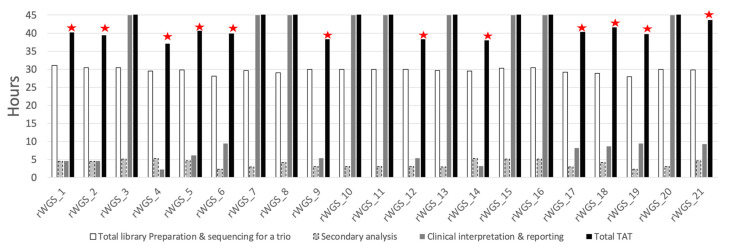
Van der Vreken, P., et al. (2023). Rapid Whole Genome Sequencing Diagnoses and Guides Treatment in Critically Ill Children in Belgium in Less than 40 Hours. Genes.
UrWGS not only facilitates rapid molecular diagnosis but also has a major impact on the management of the patient. It informs decisions on targeted medicines, treatment termination, surgical procedures, dietary adjustments, and prognosis planning. Effective implementation needs timely genetic counseling, interdisciplinary case assessment, and structured routes to transform genomic results into meaningful therapeutic interventions. Challenges still persist, such as incomplete genomic coverage, interpretation of new variants, ethical considerations, and inaccessibility because of financial limitations. interpretation of novel variants, the ethical issues, and the lack of access due to financial constraints. Nonetheless, advancements in technology and cost-reduction are likely to positively affect the diagnostic rate, and, therefore, urWGS is set to become a first-line diagnostic tool in the ICU and a cornerstone of precision medicine in susceptible populations. 3,9-12

Comprehensive genomic profiling for cancer and rare diseases

Comprehensive genomic profiling (CGP) is an approach that uses NGS to identify genetic defects in multiple genes and molecular biomarkers using a single test. It is essential in personalized medicine for cancer diagnosis, treatment selection, and prognostic assessment. CGP identifies genomic alterations, including single-nucleotide variants (SNVs), insertions and deletions (indels), copy number variants (CNVs), and fusions. It can also assess complicated biomarkers, e.g., homologous recombination deficiency (HRD), tumor mutational burden (TMB), and microsatellite instability (MSI). Besides the identification of personalized genomic changes, CGP is a multifaceted decision-support system within the area of precision oncology. CGP facilitates the early discovery of actionable driver and resistance mechanisms to inform treatment decisions across tumour types through the simultaneous interrogation of hundreds of cancer genes. This is of particular significance in the case of dealing with more complex and rare tumors, where molecular diversity and limited tissue availability restrict the utilization of sequential single-gene assays.  The capability of CGP in measuring genomic signatures such as tumour mutational burden and microsatellite instability further extends the use of CGP beyond the discovery of mutations. These biomarkers aid in predicting immune checkpoint inhibitor response, and these are the basis of most tumour-agnostic approvals, providing patients with tumour-agnostic immunotherapy regardless of the tumour type.

From a health-system and clinical perspective, CGP enhances the diagnostic outcome of a single specimen and addresses tissue insufficiency issues in the oncology setting, specifically in metastatic cancer. It reduces the need for repeated testing and biopsies, accelerating treatment decisions and reducing the risks and expenses associated with procedures. The addition of RNA sequencing and liquid biopsy technology improves the detection of key alterations when tissue is scarce. In rare cancers, CGP aids in decision-making concerning treatment selection and enrolment in clinical trials.  Precision oncology studies have demonstrated that patients who receive targeted treatments have better outcomes. In general, CGP promotes a data-driven approach in oncology, which has a significant impact on the development of therapies and value-based precision medicine. 13 – 15
Why sequencing-based biomarkers are reshaping precision medicine
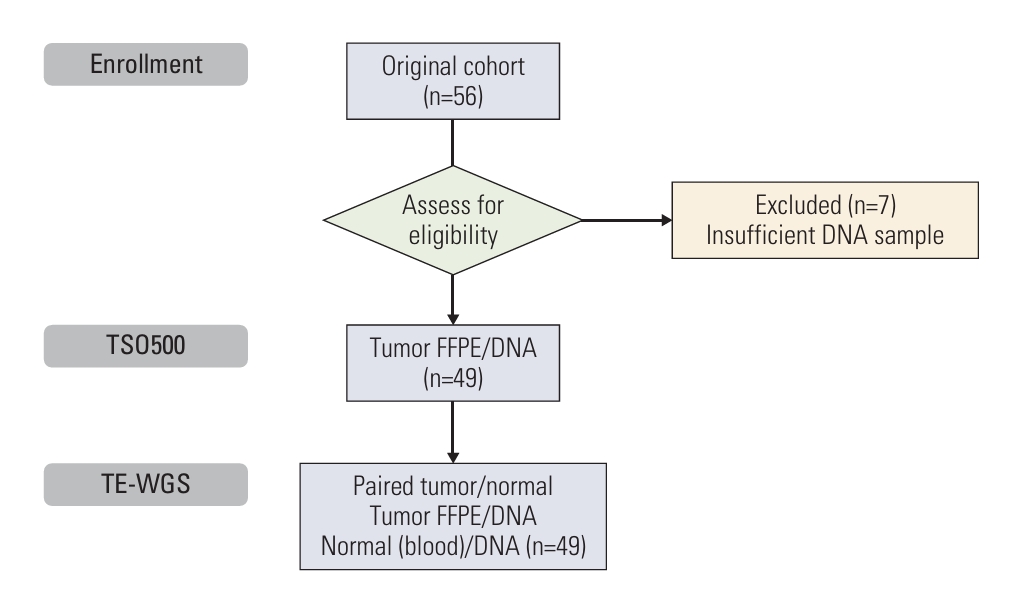
Kim, J., et al. (2024). Target-Enhanced Whole-Genome Sequencing Shows Clinical Validity Equivalent to Commercially Available Targeted Oncology Panel. Cancer Res Treat.

Population-scale genomic initiatives and AI-driven biomarkers

Population-scale genomic initiatives have transformed biomarker discovery by enabling the systematic analysis of genetic variation across very large cohorts. Whole-genome sequencing initiatives like the UK Biobank offer an in-depth coverage of both the coding and non-coding regions, both common and rare variants, structural variation, and mosaic events on a population scale. With the availability of whole-genome data in combination with well-documented longitudinal health records, genetic variation can be directly linked to disease risk, progression, and clinical outcomes of various conditions. Population-scale whole-genome sequencing provides a global picture of the genomic architecture in comparison to earlier array-based research. It enables the identification of new disease-related genes, enhances the mapping of causal variations, and determines ancestry-specific genetic effects important for precision medicine. This approach has contributed to the discovery of clinically meaningful phenomena such as clonal hematopoiesis and rare pathogenic variants associated with undiagnosed disease. Their complexity has increased the application of artificial intelligence and ML to discover biomarkers, with recent data highlighting applications in oncology, rare diseases, and chronic diseases to predict disease risk and stratify patients. Notably, population-scale genomics combined with AI analytics allow a shift from single-marker associations to making predictive models of genetic, molecular, and clinical characteristics. This convergence helps in detecting diseases earlier, better risk stratification, and identification of individuals who may benefit from targeted screening or intervention. Thus, population-scale genetic resources and AI-driven biomarker discoveries constitute a fundamental basis for scalable precision medicine and data-informed public health measures. 5,16,17

Future of sequencing-based biomarkers: multiomics and real-time analytics

Ultra-rapid whole-genome sequencing is increasingly recognized as a basic component of modern precision medicine, particularly when implemented in integrated multi-omics approaches. urWGS enables the rapid generation of comprehensive genomic information in a matter of hours, enabling the timely identification of disease-causing mutations in alignment with urgent clinical decision-making. However, genetic variation by itself does not provide a clear explanation of disease mechanisms. The integration of urWGS with transcriptomics and proteomics offers functional insights, explaining the biological significance of genetic variants, resolving variants of uncertain significance, and improving diagnostic confidence. Large-scale clinical research has demonstrated that this hierarchical, multi-omics approach significantly improves diagnostic rates over genome sequencing alone and often leads to changes in the management of patients, including the use of personalized therapies and the avoidance of unnecessary or ineffective therapies.

The rapid sequencing provides the option of providing an immediate and practical diagnosis, which can make a considerable impression on the treatment of patients, as demonstrated in the medical literature that has repeatedly supported it in critically ill patients. These findings underscore the importance of the discussed approach as a diagnostic resource and a driving force towards more accurate, timely, and cost-effective patient care in ICUs. With the advancement of these technologies and the integration with other layers of omics becoming more plausible, the role of urWGS-based multi-omics in the delivery of precision medicine becomes central, particularly in settings where speed and accuracy are the most important factors. 4,9,18,19

Frequently asked questions about sequencing-based biomarkers

Sequencing-based biomarkers are molecular markers identified through next-generation sequencing (NGS) that capture genetic variants, genomic signatures, and complex molecular patterns associated with disease. Unlike traditional biomarkers, they provide a comprehensive, genome-wide view of disease biology and support diagnosis, prognosis, patient stratification, and treatment selection in precision medicine.
Sequencing-based biomarkers assess multiple genes and genomic features simultaneously, whereas single-gene tests require sequential analysis and are limited in genetically heterogeneous diseases. NGS-based approaches shorten diagnostic timelines, increase diagnostic yield, and enable the detection of diverse variant types, including SNVs, indels, CNVs, and structural variants, within a single assay.
Ultra-rapid whole-genome sequencing (urWGS) delivers a comprehensive genetic diagnosis within hours, making it particularly valuable in critical care settings such as neonatal and pediatric ICUs. By rapidly identifying disease-causing variants, urWGS enables timely therapeutic decisions, including targeted treatment, surgical planning, or changes in clinical management that would not be possible with conventional genetic testing.
Comprehensive genomic profiling (CGP) uses NGS to detect actionable genomic alterations and complex biomarkers such as tumor mutational burden (TMB), microsatellite instability (MSI), and homologous recombination deficiency (HRD). CGP supports personalized oncology by guiding targeted therapy selection, immunotherapy eligibility, and clinical trial enrolment, especially in rare or molecularly complex cancers.
Population-scale whole-genome sequencing combined with artificial intelligence and machine learning enables the discovery of predictive biomarkers across large cohorts. By integrating genomic, molecular, and longitudinal clinical data, AI-driven models move beyond single-variant associations toward risk prediction, early disease detection, and patient stratification, forming the basis of scalable precision medicine and data-driven public health.

References

  1. Ng, K. W., Chin, H. L., Chin, A. X., & Goh, D. L. M. (2022). Using gene panels in the diagnosis of neuromuscular disorders: A mini-review. Frontiers in Neurology13, 997551.

  2. Vinkšel, M., Writzl, K., Maver, A., & Peterlin, B. (2021). Improving diagnostics of rare genetic diseases with NGS approaches. Journal of community genetics12(2), 247-256.

  3. Dimmock, D., Caylor, S., Waldman, B., Benson, W., Ashburner, C., Carmichael, J. L., … & Farnaes, L. (2021). Project Baby Bear: Rapid precision care incorporating rWGS in 5 California children’s hospitals demonstrates improved clinical outcomes and reduced costs of care. The American Journal of Human Genetics108(7), 1231-1238.

  4. Lunke, S., Bouffler, S. E., Patel, C. V., Sandaradura, S. A., Wilson, M., Pinner, J., … & Stark, Z. (2023). Integrated multi-omics for rapid rare disease diagnosis on a national scale. Nature medicine29(7), 1681-1691.

  5. Abbasi, A. F., Naveed, S., Asim, M. N., Sajjad, M., Vollmer, S., & Dengel, A. (2025). Artificial intelligence powered biomarker discovery: a large-scale analysis of 236 studies across 19 therapeutic areas and 147 diseases. BioRxiv, 2025-08.

  6. TruSight™ One Sequencing Panels. High-performing comprehensive panels targeting disease-associated regions of the exome. Assessed from https://www.illumina.com/content/dam/illumina/gcs/assembled-assets/marketing-literature/trusight-one-sequencing-panels-data-sheet-m-gl-02149/trusight-one-sequencing-panels-data-sheet-m-gl-02149.pdf.

  7. TruSight One Expanded Sequencing Panel. Assessed from https://emea.illumina.com/library-prep-array-kit-selector/kits-and-arrays/trusight-one-expanded-panel.html.

  8. Pua, C. J., Bhalshankar, J., Miao, K., Walsh, R., John, S., Lim, S. Q., … & Cook, S. A. (2016). Development of a comprehensive sequencing assay for inherited cardiac condition genes. Journal of cardiovascular translational research, 9(1), 3-11.

  9. Kingsmore, S. F., & Cole, F. S. (2022). The role of genome sequencing in neonatal intensive care units. Annual review of genomics and human genetics23(1), 427-448.

  10. Petrikin, J. E., Cakici, J. A., Clark, M. M., Willig, L. K., Sweeney, N. M., Farrow, E. G., … & Kingsmore, S. F. (2018). The NSIGHT1-randomized controlled trial: rapid whole-genome sequencing for accelerated etiologic diagnosis in critically ill infants. NPJ Genomic Medicine3(1), 6.

  11. Dimmock, D. P., Clark, M. M., Gaughran, M., Cakici, J. A., Caylor, S. A., Clarke, C., … & Yamada, C. (2020). An RCT of rapid genomic sequencing among seriously ill infants results in high clinical utility, changes in management, and low perceived harm. The American Journal of Human Genetics107(5), 942-952.

  12. Gorzynski, J. E., Goenka, S. D., Shafin, K., Jensen, T. D., Fisk, D. G., Grove, M. E., … & Ashley, E. A. (2022). Ultrarapid nanopore genome sequencing in a critical care setting. New England Journal of Medicine386(7), 700-702.

  13. Subbiah, V., & Kurzrock, R. (2025). Imperative of Comprehensive Molecular Profiling as Standard of Care for Patients With Rare Cancers. JCO Oncology Practice, OP-25.

  14. Tjota, M. Y., Segal, J. P., & Wang, P. (2024). Clinical utility and benefits of comprehensive genomic profiling in cancer. The Journal of Applied Laboratory Medicine9(1), 76-91.

  15. What is Comprehensive Genomic Profiling and is it the Right Solution for You? Assessed from https://www.thermofisher.com/fr/fr/home/clinical/preclinical-companion-diagnostic-development/oncomine-oncology/education/what-is-comprehensive-genomic-profiling.html.

  16. Zhao, J., & Shen, S. (2025). Discover novel biomarkers using population-scale whole-genome sequencing. Innovation Medicine3(4), 100168.

  17. Sivadas, A., & Scaria, V. (2019). Population-scale genomics—Enabling precision public health. Advances in genetics103, 119-161.

  18. Xiao, F., Yan, K., Tang, M., Ji, X., Hu, L., Yang, L., & Zhou, W. (2022). Diagnostic utility of rapid sequencing in critically ill infants: a systematic review and meta-analysis. Expert Review of Molecular Diagnostics22(8), 833-840.

  19. Lunke, S., Eggers, S., Wilson, M., Patel, C., Barnett, C. P., Pinner, J., … & Stark, Z. (2020). Feasibility of ultra-rapid exome sequencing in critically ill infants and children with suspected monogenic conditions in the Australian public health care system. Jama323(24), 2503-2511.

Search all posts

Popular news & events

Tags

Do you have questions about sequencing-based biomarkers?

Fill out the form below and our experts will get back to you as soon as possible!

Search all posts

Popular news & events

Tags

Your Partner for Innovative OMICS Solutions
Privacy Overview

This website uses cookies so that we can provide you with the best user experience possible. Cookie information is stored in your browser and performs functions such as recognising you when you return to our website and helping our team to understand which sections of the website you find most interesting and useful.

Cookie statement

Last updated:  19-09-2024

This cookie statement is drafted and managed by OHMX.bio NV,

hereafter referred to as “OHMX.bio”.

OHMX.bio has its headquarters at Proeftuinstraat 86, 9000 Gent, Belgium, registered with company number XXX.

For all questions and/or remarks, please contact us at the address mentioned above or at the e-mail address privacy@ohmx.bio.

USE OF COOKIES


OHMX.bio considers it important that you can view, listen to, read or experience our website content at any place and at any time via various media platforms. We want you to be able to use interactive features and provide services tailored to your needs. Therefore OHMX.BIO uses online techniques like cookies, scripts and similar technologies (hereafter referred to as ‘cookies’). These help us facilitate the use of the website and improve its functionality, by collecting (personal) data of our website visitors via their website usage.


In this cookie statement, OHMX.bio wishes to inform you what kind of cookies are used and why.

OHMX.bio can amend the cookie statement at any time. This can happen, for example, in the context of changes to its services or the applicable legislation. The amended statement will then be published on the OHMX.bio websites and will apply from the moment it is published.


If the use of certain cookies also involves the processing of “personal data”, the OHMX.bio Privacy Statement is also applicable.


WHAT ARE COOKIES?


A cookie is a small data file that is installed in the browser of your computer or mobile device by a website's server or application when you visit a website or use a (mobile) application.

The cookie file contains a unique code with which your browser can be recognized during the visit to the online service or during consecutive, repeated visits. They generally make the interaction between the visitor and the website or application easier and faster and help the visitor to navigate between the different parts of a website or application. They allow us to retain certain settings, such as your language choice or to optimize your user experience.


There are different types of cookies that can be distinguished according to their origin, function and lifespan. This is explained further in the next section.

TYPES OF COOKIES

How long are cookies stored?

Cookies can be stored on your computer or mobile device for different periods of time. Depending on the type, they (and the information they collect) are automatically deleted when you close your browser (these are the so-called “session cookies”), in other cases, these remain stored for a longer period of time and can also be used during a subsequent visit to this website (these are the so-called “permanent cookies”).

Consult the detailed information on OHMX.bio cookies (below) to know the retention periods.

Who places and manages cookies?

First-party cookies

First-party cookies are managed by OHMX.bio and are specific to the visited or used online service.

Third party cookies

Third party cookies are managed and placed by a third party. This happens during your visit or use of the website. These ensure that certain information is sent to third parties by your visit to the website.

Why cookies?

Necessary cookies

Necessary or essential cookies are necessary for the operation of the website. It is therefore advised not to disable these.

Functional cookies

These are cookies that ensure that the website functions properly. Examples of some functions performed:

- remembering your login details

- ensuring the security of your login details

- ensuring the uniformity of the layout of the website

Performance and analysis cookies

On the basis of these cookies, information is collected about the way visitors use our website. This is done with the intention to improve the content of our websites, to further adapt it to the wishes of the visitors and to increase the usability of our websites. Like for example google analytics.

Social media cookies

The website can implement so-called embedded elements of other third parties, such as YouTube, Twitter and Facebook. These are used to integrate social media into the website via plug-ins.

Other cookies

These are cookies that do not belong to one of the above categories. For example, cookies that can be used to make web analyzes themselves to optimize the website. In addition to the above-mentioned performance and analysis cookies, other web analysis cookies can be used. These will probably have to be disabled because identifiable personal data may be processed here. This is not the case with the mentioned performance analysis cookies.

OHMX.bio  uses different types of cookies.


Cookie Description Duration Type
cookielawinfo-checkbox-necessary This cookie is set by GDPR Cookie Consent plugin. The cookies is used to store the user consent for the cookies in the category "Necessary". 1 hour Necessary
__utma This cookie is set by Google Analytics and is used to distinguish users and sessions. The cookie is created when the JavaScript library executes and there are no existing __utma cookies. The cookie is updated every time data is sent to Google Analytics. 2 years Performance
__utmc The cookie is set by Google Analytics and is deleted when the user closes the browser. The cookie is not used by ga.js. The cookie is used to enable interoperability with urchin.js which is an older version of Google analytics and used in conjunction with the __utmb cookie to determine new sessions/visits. Performance
__utmz This cookie is set by Google analytics and is used to store the traffic source or campaign through which the visitor reached your site. 5 months Performance
__utmt The cookie is set by Google Analytics and is used to throttle request rate. 10 minutes Performance
__utmb The cookie is set by Google Analytics. The cookie is used to determine new sessions/visits. The cookie is created when the JavaScript library executes and there are no existing __utma cookies. The cookie is updated every time data is sent to Google Analytics. 30 minutes Performance


HOW CAN YOU TURN OFF COOKIES?


If you choose to disable cookies, you can do so for the browser you use:


If you use different devices to visit this website, make sure that your cookie preferences are set on the browser of every device.


Please note that disabling certain cookies may result in the malfunction of related features on the website e.g. certain graphics may not show the way they are meant to, or you may not be able to use certain services.

CHANGES TO THIS COOKIE STATEMENT

OHMX.BIO may amend this Cookie Statement in accordance with certain technical, legal or commercial requirements and developments. We will inform you accordingly, taking into account the importance of the changes that have been made. You may find the date on which this Cookie Statement was last modified at the top of this Cookie Statement.