

Biological samples are processed to isolate MHC-bound peptides through immunoaffinity purification techniques. Typical samples are cell lines, tissue samples and PBMC's or isolated immune cells
The purified peptides are analyzed using high-resolution mass spectrometry, enabling precise identification and quantification of the presented peptide repertoire.
Collected data is processed using state-of-the-art bioinformatics tools to characterize peptide sequences, predict antigenicity, and generate actionable insights. Typical output includes quantification and identity of peptides, peptide length distribution and (implied) motif analysis
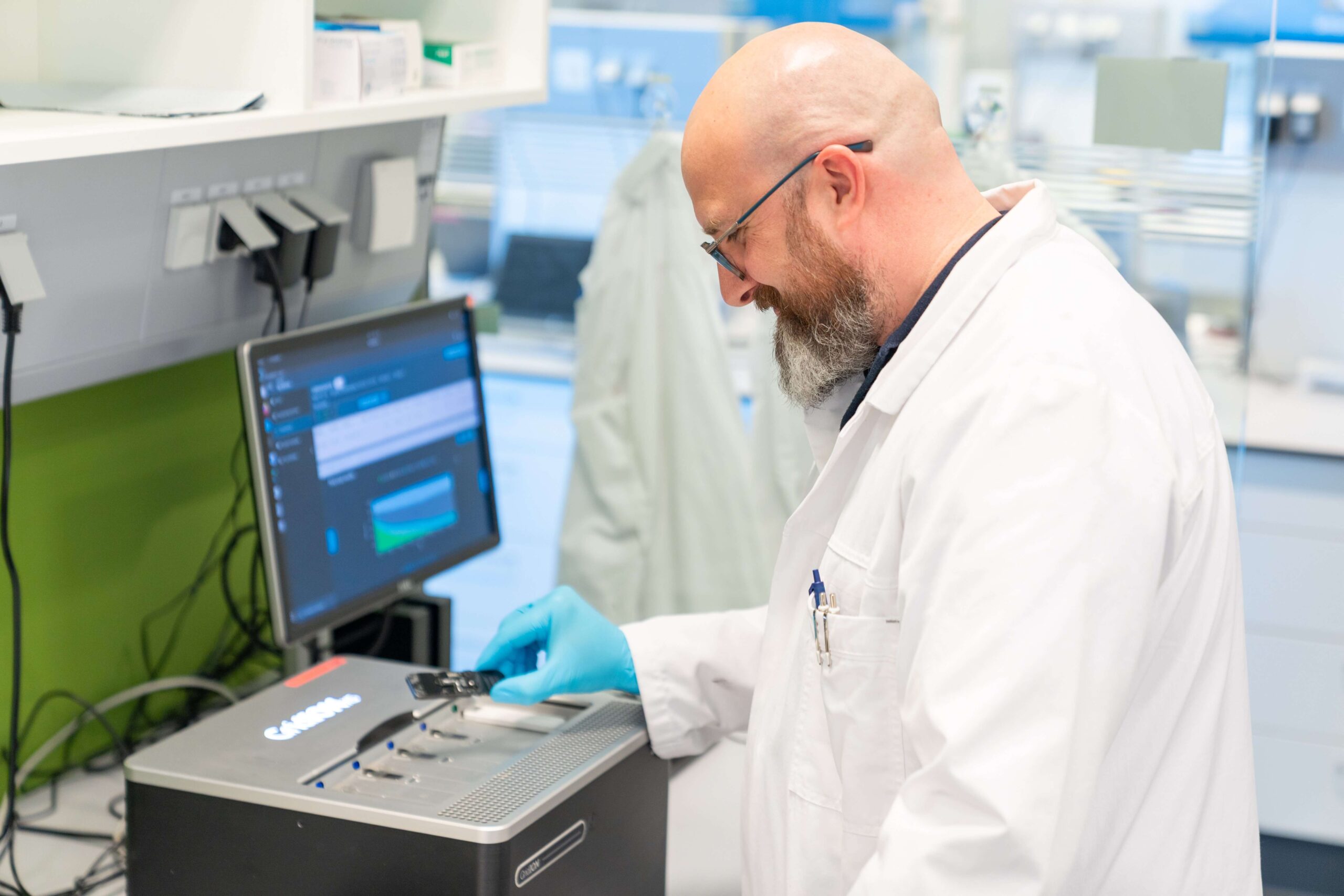

Immunopeptidomics enables the discovery of tumor-associated antigens (TAAs) and patient-specific neoantigens arising from tumor mutations. These epitopes are prime targets for the development of personalized cancer vaccines, adoptive T-cell therapies (e.g., CAR-T, TCR-T), and immune checkpoint inhibitor biomarkers.
Immunopeptidomics facilitates the rational design of vaccines by identifying the immunodominant epitopes derived from viral or bacterial pathogens that elicit protective T-cell immunity.
Immunopeptidomics allows for the characterization of the autoantigen repertoire responsible for pathogenic T-cell activation in autoimmune diseases. Similarly, it can identify alloantigens relevant to graft-versus-host disease in transplantation contexts.
We use cookies to improve your experience on our site and understand how our content is used. This includes essential cookies for site functionality, as well as optional cookies for analytics and marketing. You can accept all cookies, decline non-essential ones, or manage your preferences below. Declining certain cookies may limit some site features.