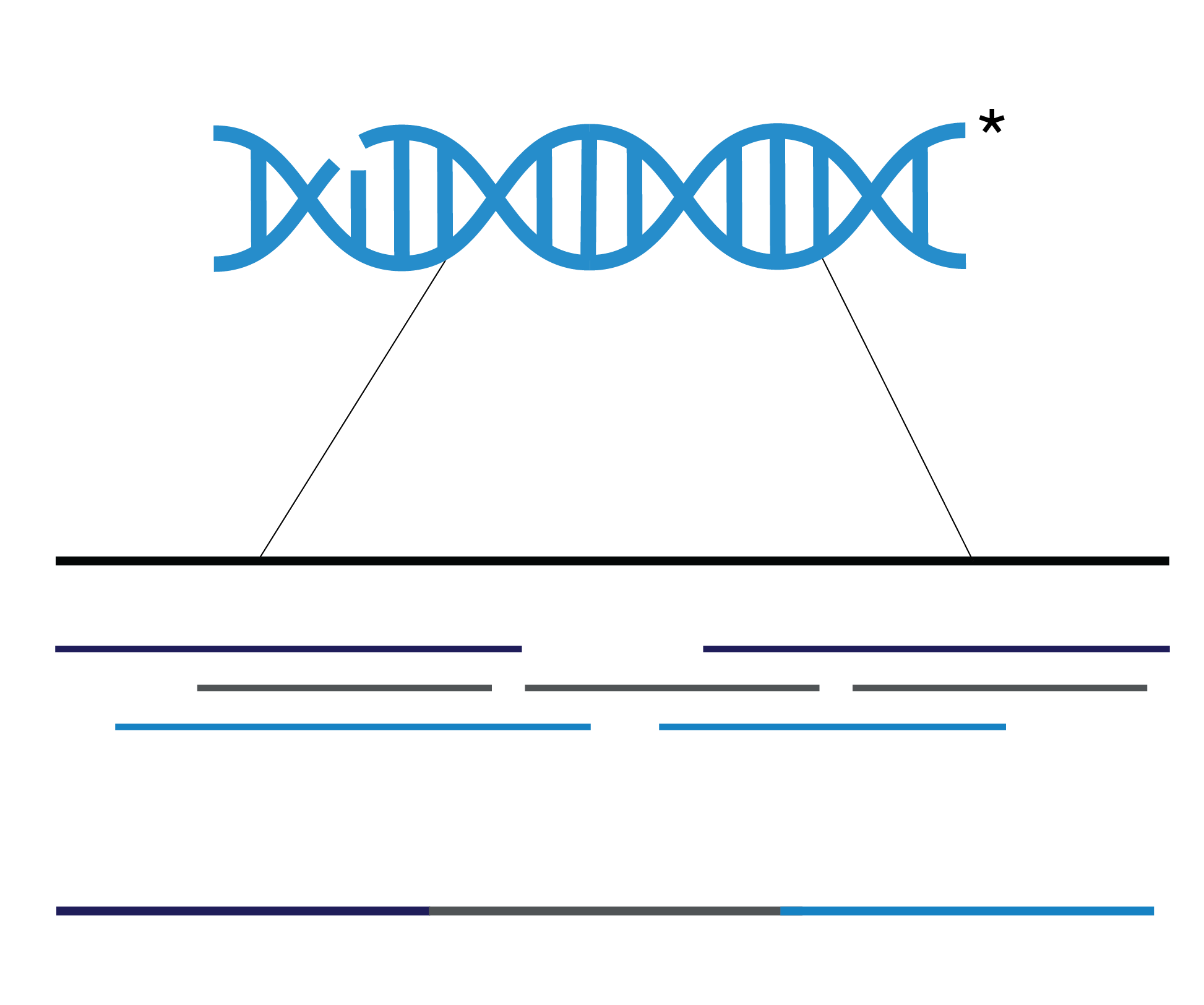
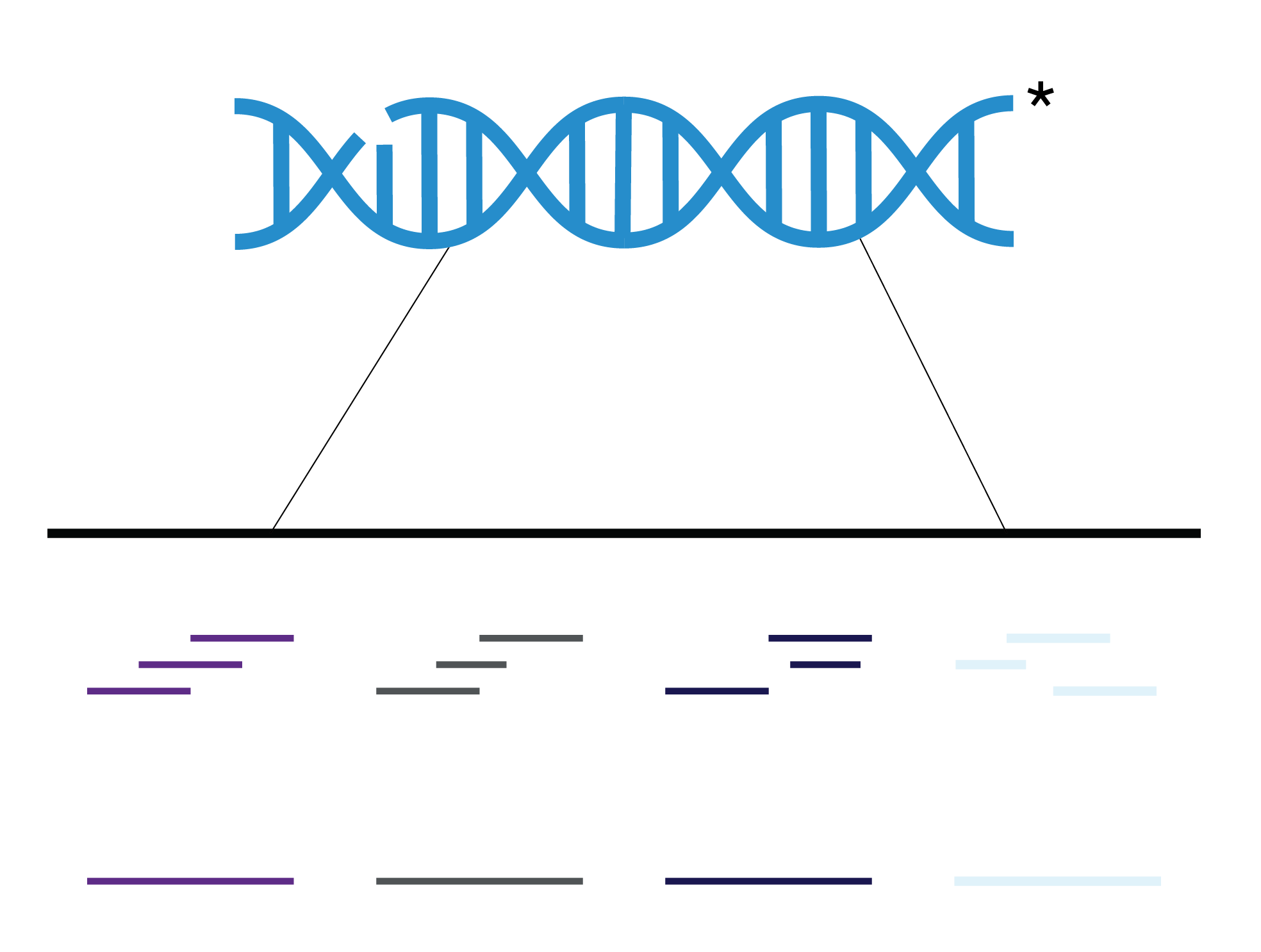
Resolves repetitive and highly complex regions without the need for extensive computational reconstruction.
Identifies large-scale insertions, deletions, inversions, and copy number variations with high accuracy.
Accurately characterizes alternative splicing and isoform diversity in RNA sequencing.
Detects DNA and RNA modifications directly from sequencing data without additional sample processing.
Enables adaptive sampling and real-time data processing for targeted sequencing applications.
Ideal for sequencing novel or highly complex genomes, long-read sequencing eliminates assembly gaps, ensuring a more complete and contiguous reference genome.
Capturing full-length transcripts enables an accurate representation of alternative splicing events, fusion transcripts, and non-coding RNA species, essential for functional genomics studies.
Long-read sequencing plays a critical role in Critical Quality Attribute (CQA) determination of biologics, providing high-resolution structural insights into gene edits, recombinant protein production, and vector integrity assessment.

Unlike short-read methods, which sequence only a fraction of the 16S rRNA gene, long-read sequencing allows for full-length 16S profiling, leading to more accurate microbial identification and improved taxonomic resolution.
We use cookies to improve your experience on our site and understand how our content is used. This includes essential cookies for site functionality, as well as optional cookies for analytics and marketing. You can accept all cookies, decline non-essential ones, or manage your preferences below. Declining certain cookies may limit some site features.