Single-cell omics: when is it useful?

Introduction to single-cell sequening
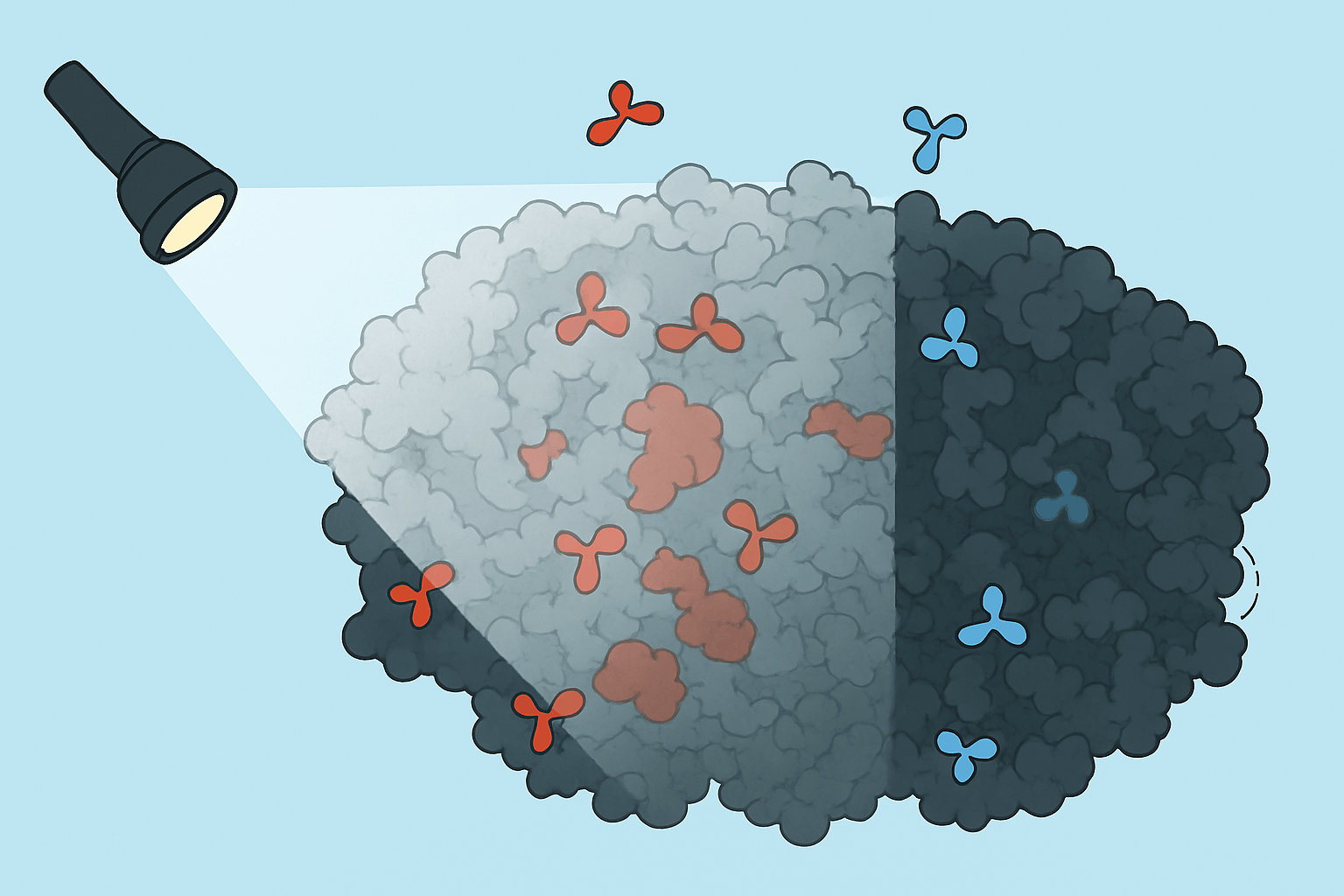
Traditional bulk sequencing, while valuable for understanding biological systems, can obscure critical details by averaging signals across diverse cells, missing rare subtypes, transient states, and context-specific regulation. Single-cell sequencing analyzes the genome or transcriptome of individual cells rather than pooling many cells together. This high-resolution approach reveals cellular heterogeneity that bulk methods miss. In recent years, single-cell genomics has “revolutionized the field” by mapping diversity within tissues. By profiling each cell separately, researchers have discovered rare cell types, transitional states, and complex cell–cell interactions. These insights are transforming our understanding of development and disease. For example, single-cell methods are uncovering hidden immune subtypes and dynamic cell responses, identifying drug-resistant tumor clones, and charting stem cell differentiation paths. As these methods mature, their integration into translational workflows accelerates, providing deeper biological insight and promising more precise interventions1-3. OHMX.bio offers a suite of single-cell sequencing solutions, from advanced library preparation (e.g. fixation-based workflows) to end-to-end bioinformatics, enabling researchers to harness these discoveries.

What makes single-cell technology so powerful?

Bulk sequencing pools many cells, producing only average gene expression signals. This averages out cell-to-cell differences, hiding rare or transient populations. In contrast, single-cell analysis measures each cell individually, exposing underlying heterogeneity and subtle subpopulations. For example, it can detect a small group of drug-resistant tumor cells or a fleeting developmental intermediate that bulk methods miss. Single-cell techniques can target different layers of biology for each cell. For instance, single-cell RNA-seq measures gene expression in each cell, single-cell ATAC-seq assays chromatin accessibility, and single-cell TCR/BCR sequencing reads immune receptor sequences from each lymphocyte. By resolving multiple molecular features per cell, researchers can link a cell’s identity (its transcriptome) to its regulatory state or immune clonotype. This enables studies of how gene regulation or T/B-cell receptor diversity influences cell behavior. This method has been crucial in recreating cellular lineage trajectories in developmental biology so that scientists may better grasp how pluripotent stem cells progressively change into specialized, mature cell types throughout embryogenesis and tissue regeneration. Particularly in response to infection, autoimmune diseases, and vaccination, single-cell immune profiling has given immunology great new perspectives on the functional states and dynamics of T cells and B cells.  One study using combined single-cell RNA sequencing (scRNA-seq) and TCR/BCR sequencing, for instance, showed age-related expansions of some immune clones and revealed a previously unknown ‘cytotoxic’ B cell subset in healthy subjects, highlighting the strength of this work in discovering new cell types and immune states4-5.

Key technologies in single-cell genomics

Single-cell RNA sequencing (scRNA-seq)

Single-cell transcriptomics is a crucial method for identifying cell types and states. Using scRNA-seq, individual cells are isolated, RNA is converted to cDNA, and sequenced. This results in a genome-scale expression profile for each cell. Modern scRNA-seq can profile thousands to millions of cells in parallel, revealing new cellular subpopulations, states, and dynamics. This tool captures transcriptional heterogeneity at scale, enabling applications like identifying tumor cell subclones and cataloging immune cell types in tissue2,4.

TCR/BCR single-cell sequencing

This set of methods links antigen receptor sequences to the transcriptome of each lymphocyte. In practice, single-cell immune profiling typically involves sequencing the paired T-cell receptor (TCR) or B-cell receptor (BCR) genes from each cell along with its mRNA. This reveals the exact TCR/BCR clonotype (which cell clone it belongs to) in context of that cell’s gene expression profile. Single-cell TCR/BCR sequencing can be used to obtain a large amount of single-cell gene expression and immunomics data at one time and combined with transcriptome sequencing and TCR/BCR diversity data, can resolve immune cell heterogeneity”5. In practical terms, this means we can trace immune clonal expansions and link them to functional programs. TCR/BCR single-cell sequencing provides an immune repertoire map, revealing how T and B cell diversity correlates with phenotypes like activation, exhaustion, or memory in cancer or infection studies, and can also identify antibody-producing clones and their states.

Single-cell multiomics (multimodal profiling)

Beyond RNA and receptors, new methods measure multiple modalities from the same cell, such as paired scRNA-seq + scATAC-seq protocols, which capture gene expression, chromatin accessibility, protein or methylation data. This holistic cellular profile helps us understand cellular function and dysfunction in health and disease. Integrating diverse omics layers provides a holistic view of cellular diversity, revealing regulatory changes in development and disease by linking genome, epigenome, and transcriptome in individual cells.

PARSE technology (fixation-based combinatorial barcoding)

OHMX.bio leverages a fixation-enabled barcoding workflow (from Parse Biosciences’ Evercode platform), to chemically fix cells or nuclei after collection. These samples can be stored for weeks or months before processing. The cells are then distributed through multiple rounds of split-pool barcoding, using the PARSE method to identify cells. This ensures RNA integrity and gene expression levels even after weeks of storage6. This method reduces batch effects and logistical constraints, allowing samples from different patients or timepoints to be collected and processed in a single batch.

Applications of single-cell analysis in research and medicine

Oncology

Single-cell sequencing is revolutionizing cancer research by allowing detailed mapping of tumor microenvironments, identifying cancer subclones, immune infiltrates, and stromal cells. This method has revealed mechanisms of therapy resistance, revealing rare tumor subpopulations with drug-resistant gene signatures and exhausted or activated immune cells. Single-cell data can also classify tumors into refined subtypes and track clonal evolution during treatment. This helps clinicians and researchers discover new drug targets and design combination therapies that tackle multiple cell types in a tumor1,3.
We request between 25 – 50 million cells per sample and provide a flash-frozen cell pellet. We perform cell lysis ourselves.
Raw sequencing data can be transferred to you via the OHMX.bio server (sFTP download).

Stem cell and developmental biology

Single-cell transcriptomics have significantly improved our understanding of development by sequencing embryos or differentiating stem cells at single-cell resolution. This allows scientists to reconstruct developmental trajectories and lineage hierarchies, such as how stem cells in tissues give rise to mature cell types. Studies often use trajectory inference methods to order single cells along a pseudotime of differentiation, defining new progenitor states and clarifying gene regulatory changes during development. This insight informs regenerative medicine, improving stem cell therapies and organoid design.

Immunology

Single-cell immune profiling is a valuable tool for understanding the diverse nature of the immune system. It allows for detailed mapping of immune responses, such as during infection or vaccination, by using scRNA-seq and TCR/BCR sequencing. This method provides a better understanding of immune cell heterogeneities, functions, cell-cell interactions, responses, and regulatory roles in both healthy and diseased states. It helps identify critical cytokines, autoreactive or alloreactive clones, and the magnitude and quality of B-cell or T-cell responses in vaccine studies4,5.

Drug discovery and toxicology

scRNA-seq is increasingly used in pharmaceuticals to identify novel targets by revealing dysregulated cells and pathways in disease. It can profile how different cell types respond to a candidate compound simultaneously, creating new opportunities in target identification and validation7. In toxicology, scRNA-seq can detect off-target effects, such as drug activation in specific cell subsets. In clinical trials, scRNA-seq can identify pharmacodynamic biomarkers, such as gene signatures in specific cell types, enabling better patient stratification8.

Plant biology

Single-cell sequencing is rapidly expanding into plants, enabling cell-type-specific analyses in roots, leaves, and other tissues. New protocols have yielded cell atlases for species like Arabidopsis, rice, and maize, revealing how plant cells specialize and respond to stress. Recent findings highlight tissue-specific transcriptional responses in rice roots to soil compaction and nutrient levels, while single-cell tools help breeders identify genes controlling yield or stress tolerance9,10.

OHMX.bio’s single-cell capabilities

OHMX.bio combines in-house platforms with flexible partnerships to deliver tailored single-cell solutions. Our scientists are experts in using Parse Biosciences kits and processing challenging samples (including fixed cells, nuclei, tumor biopsies or clinical specimens). We offer integrated bioinformatics, from clustering and cell type annotation to trajectory and differential expression analysis. In practice, this means we guide each project end-to-end: we help design the experiment (choosing platforms, cell isolation methods, fixation vs fresh processing), sequence the samples in-house, and interpret the single-cell data to answer your biological questions. Researchers get both raw data and user-friendly visualizations (e.g. UMAP plots of cell clusters, lineage trees) to unlock insights, as well as personal guidance from our bio-IT team. In short, OHMX.bio positions itself as a single-cell technology partner, providing not just sequencing, but the expertise to translate single-cell data into discoveries in translational research and clinical studies.

Conclusion

Single-cell sequencing is dramatically expanding what we can learn from genomic data. By revealing cellular heterogeneity within tissues, it brings clarity to complex systems, whether in cancer, immunity, development or agriculture. The field is rapidly moving toward clinical applications: for example, profiling a patient’s tumor at single-cell resolution may soon guide personalized cancer therapy by identifying the exact malignant and immune cell targets. OHMX.bio is dedicated to empowering researchers with advanced single-cell methods, including multi-omics and improved sampling protocols, to explore how these tools can illuminate biological questions and drive translational breakthroughs, supported by full-service support and technical expertise.

References

[1] Nofech-Mozes, I., Soave, D., Awadalla, P., & Abelson, S. (2023). Pan-cancer classification of single cells in the tumour microenvironment. Nature Communications14(1), 1615.
[2] Su, E. Y., Fread, K., Goggin, S., Zunder, E. R., & Cahan, P. (2024). Direct comparison of mass cytometry and single-cell RNA sequencing of human peripheral blood mononuclear cells. Scientific Data11(1), 559.
[3] A focus on single-cell omics. Nature Reviews Genetics 2023;24:485-485.
[4] Chen, D., Luo, Y., & Cheng, G. (2022). Single cell and immunity: Better understanding immune cell heterogeneities with single‐cell sequencing.Clinical and Translational Discovery2(4), e162.
[5] He, J., Shen, J., Luo, W., Han, Z., Xie, F., Pang, T., … & Chen, H. (2022). Research progress on application of single-cell TCR/BCR sequencing technology to the tumor immune microenvironment, autoimmune diseases, and infectious diseases. Frontiers in Immunology13, 969808.
[6] Phan, H. V., van Gent, M., Drayman, N., Basu, A., Gack, M. U., & Tay, S. (2021). High-throughput RNA sequencing of paraformaldehyde-fixed single cells. Nature Communications12(1), 5636.
[7] Van de Sande, B., Lee, J. S., Mutasa-Gottgens, E., Naughton, B., Bacon, W., Manning, J., … & Ferran, E. (2023). Applications of single-cell RNA sequencing in drug discovery and development. Nature Reviews Drug Discovery22(6), 496-520.
[8] Chen, J., Wu, J., Bai, Y., Yang, C., & Wang, J. (2024). Recent advances of single-cell RNA sequencing in toxicology research: Insight into hepatotoxicity and nephrotoxicity. Current Opinion in Toxicology37, 100462.
[9] Zhu, M., Hsu, C. W., Peralta Ogorek, L. L., Taylor, I. W., La Cavera, S., Oliveira, D. M., … & Pandey, B. K. (2025). Single-cell transcriptomics reveal how root tissues adapt to soil stress. Nature, 1-9.
[10] Hu, Y., Dash, L., May, G., Sardesai, N., & Deschamps, S. (2024). Harnessing Single-Cell and Spatial Transcriptomics for Crop Improvement. Plants13(24), 3476.

Search all posts

Popular news & events

Tags

Do you have questions about single-cell technology?

Fill out the form below and our experts will get back to you as soon as possible!
Logo-OHMX.bio
Privacy Overview

This website uses cookies so that we can provide you with the best user experience possible. Cookie information is stored in your browser and performs functions such as recognising you when you return to our website and helping our team to understand which sections of the website you find most interesting and useful.

Cookie statement

Last updated:  19-09-2024

This cookie statement is drafted and managed by OHMX.bio NV,

hereafter referred to as “OHMX.bio”.

OHMX.bio has its headquarters at Proeftuinstraat 86, 9000 Gent, Belgium, registered with company number XXX.

For all questions and/or remarks, please contact us at the address mentioned above or at the e-mail address privacy@ohmx.bio.

USE OF COOKIES


OHMX.bio considers it important that you can view, listen to, read or experience our website content at any place and at any time via various media platforms. We want you to be able to use interactive features and provide services tailored to your needs. Therefore OHMX.BIO uses online techniques like cookies, scripts and similar technologies (hereafter referred to as ‘cookies’). These help us facilitate the use of the website and improve its functionality, by collecting (personal) data of our website visitors via their website usage.


In this cookie statement, OHMX.bio wishes to inform you what kind of cookies are used and why.

OHMX.bio can amend the cookie statement at any time. This can happen, for example, in the context of changes to its services or the applicable legislation. The amended statement will then be published on the OHMX.bio websites and will apply from the moment it is published.


If the use of certain cookies also involves the processing of “personal data”, the OHMX.bio Privacy Statement is also applicable.


WHAT ARE COOKIES?


A cookie is a small data file that is installed in the browser of your computer or mobile device by a website's server or application when you visit a website or use a (mobile) application.

The cookie file contains a unique code with which your browser can be recognized during the visit to the online service or during consecutive, repeated visits. They generally make the interaction between the visitor and the website or application easier and faster and help the visitor to navigate between the different parts of a website or application. They allow us to retain certain settings, such as your language choice or to optimize your user experience.


There are different types of cookies that can be distinguished according to their origin, function and lifespan. This is explained further in the next section.

TYPES OF COOKIES

How long are cookies stored?

Cookies can be stored on your computer or mobile device for different periods of time. Depending on the type, they (and the information they collect) are automatically deleted when you close your browser (these are the so-called “session cookies”), in other cases, these remain stored for a longer period of time and can also be used during a subsequent visit to this website (these are the so-called “permanent cookies”).

Consult the detailed information on OHMX.bio cookies (below) to know the retention periods.

Who places and manages cookies?

First-party cookies

First-party cookies are managed by OHMX.bio and are specific to the visited or used online service.

Third party cookies

Third party cookies are managed and placed by a third party. This happens during your visit or use of the website. These ensure that certain information is sent to third parties by your visit to the website.

Why cookies?

Necessary cookies

Necessary or essential cookies are necessary for the operation of the website. It is therefore advised not to disable these.

Functional cookies

These are cookies that ensure that the website functions properly. Examples of some functions performed:

- remembering your login details

- ensuring the security of your login details

- ensuring the uniformity of the layout of the website

Performance and analysis cookies

On the basis of these cookies, information is collected about the way visitors use our website. This is done with the intention to improve the content of our websites, to further adapt it to the wishes of the visitors and to increase the usability of our websites. Like for example google analytics.

Social media cookies

The website can implement so-called embedded elements of other third parties, such as YouTube, Twitter and Facebook. These are used to integrate social media into the website via plug-ins.

Other cookies

These are cookies that do not belong to one of the above categories. For example, cookies that can be used to make web analyzes themselves to optimize the website. In addition to the above-mentioned performance and analysis cookies, other web analysis cookies can be used. These will probably have to be disabled because identifiable personal data may be processed here. This is not the case with the mentioned performance analysis cookies.

OHMX.bio  uses different types of cookies.


Cookie Description Duration Type
cookielawinfo-checkbox-necessary This cookie is set by GDPR Cookie Consent plugin. The cookies is used to store the user consent for the cookies in the category "Necessary". 1 hour Necessary
__utma This cookie is set by Google Analytics and is used to distinguish users and sessions. The cookie is created when the JavaScript library executes and there are no existing __utma cookies. The cookie is updated every time data is sent to Google Analytics. 2 years Performance
__utmc The cookie is set by Google Analytics and is deleted when the user closes the browser. The cookie is not used by ga.js. The cookie is used to enable interoperability with urchin.js which is an older version of Google analytics and used in conjunction with the __utmb cookie to determine new sessions/visits. Performance
__utmz This cookie is set by Google analytics and is used to store the traffic source or campaign through which the visitor reached your site. 5 months Performance
__utmt The cookie is set by Google Analytics and is used to throttle request rate. 10 minutes Performance
__utmb The cookie is set by Google Analytics. The cookie is used to determine new sessions/visits. The cookie is created when the JavaScript library executes and there are no existing __utma cookies. The cookie is updated every time data is sent to Google Analytics. 30 minutes Performance


HOW CAN YOU TURN OFF COOKIES?


If you choose to disable cookies, you can do so for the browser you use:


If you use different devices to visit this website, make sure that your cookie preferences are set on the browser of every device.


Please note that disabling certain cookies may result in the malfunction of related features on the website e.g. certain graphics may not show the way they are meant to, or you may not be able to use certain services.

CHANGES TO THIS COOKIE STATEMENT

OHMX.BIO may amend this Cookie Statement in accordance with certain technical, legal or commercial requirements and developments. We will inform you accordingly, taking into account the importance of the changes that have been made. You may find the date on which this Cookie Statement was last modified at the top of this Cookie Statement.