Immunopeptidomics: Unlocking the antigen landscape for precision immunotherapy

Introduction to immunopeptidomics
Immunopeptidomics is the study of a diverse set of peptides presented by Major Histocompatibility Complex (MHC) molecules. These peptides enable immune cells to see infection, tumor growth, or alterations to the body’s own cells. Immunopeptidomics combines proteomics and immunology to define the repertoire of peptides, or immunopeptidome, that defines what a cell appears to the immune system. High-resolution mass spectrometry enables identification of vital peptides, including neoantigens, pathogen-derived peptides, and self-peptides, that drive immune responses and guide therapeutic development. Advances in peptide separation, LC-MS/MS sensitivity, and computational analysis have facilitated detailed mapping of MHC-bound peptides in cancer, infections, and autoimmunity. Such insights are vital for creating diagnostics, vaccines, and targeted immunotherapies, establishing immunopeptidomics as a cornerstone of translational medicine1-4. OHMX.bio employs advanced proteomics and bioinformatics platforms to characterize MHC peptides. The resulting data turn complex antigen landscapes into knowledge that advances both clinical immunology and therapeutic innovation.

What is immunopeptidomics?

Immunopeptidomics is the systematic, large-scale analysis of peptides bound to MHC molecules, providing a direct window into what T cells “see” on cell surfaces. These peptides, together known as the immunopeptidome, are derived from proteins (both endogenous and exogenous) that are digested, by the proteasome, transported into the endoplasmic reticulum, and assembled onto MHC complexes for display on the cell surface. The immune system can identify and respond to self, altered-self, or non-self because of the unique array of peptide–MHC complexes expressed on a cell’s surface, which show whether the cell is normal or aberrant.
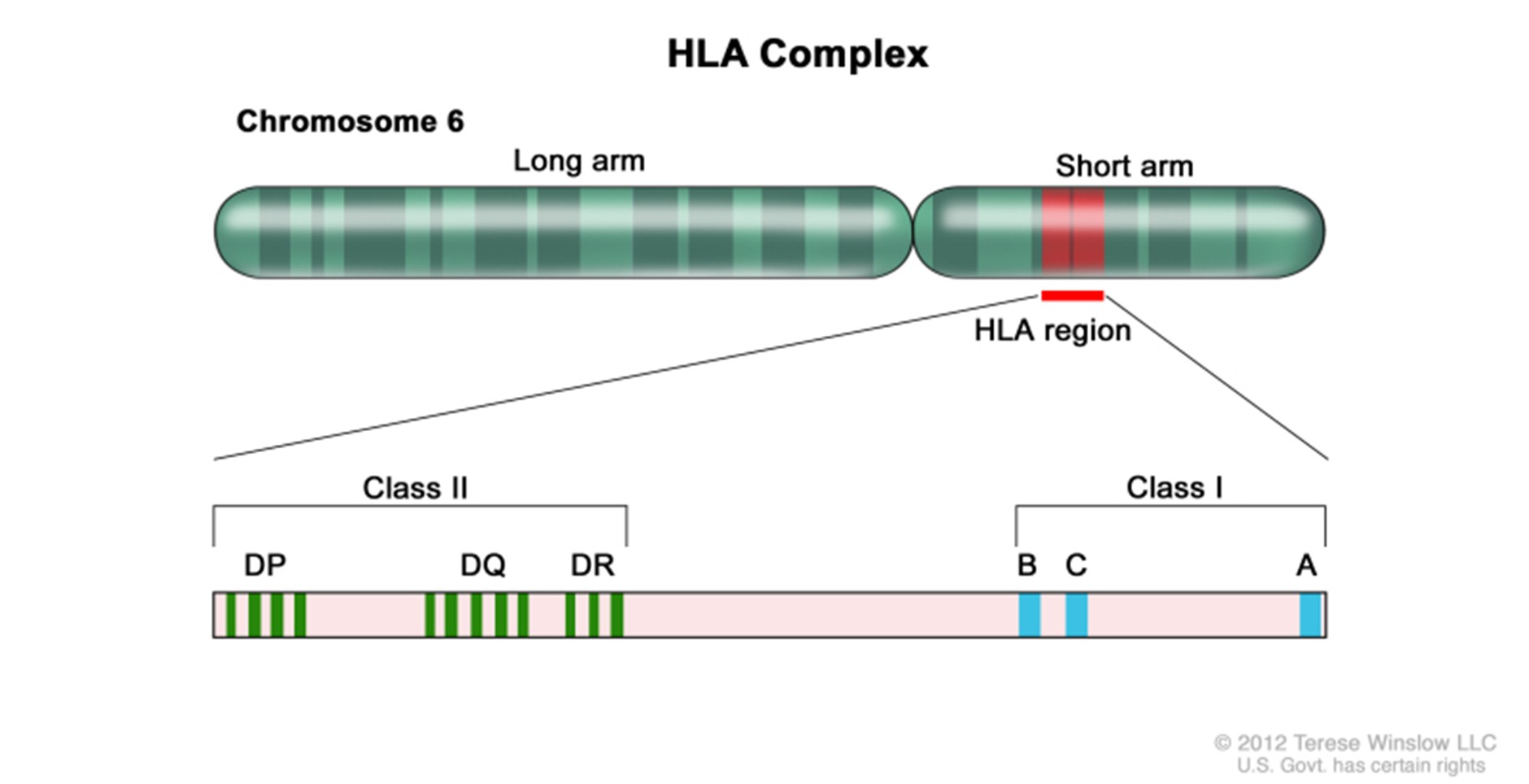
HLA Complex
The identification of canonical, post-translationally modified (PTM), and noncanonical peptides has been greatly aided by contemporary technological advancements, enhanced MHC isolation techniques, higher LC–MS/MS sensitivity, and proteogenomic pipelines. Conventional proteomics would miss some noncanonical peptides because they come from different reading frames, untranslated regions, or cryptic translation events. These advancements increase the relevance of translational research by enabling the profiling of even limited or scarce clinical samples.

Integration with genomic, transcriptomic, and ribosome profiling (Ribo-seq) information further enriches this discovery. Ribo-seq, conversely, shows new sites of translation that create novel peptide fragments, some of which are visible on MHC molecules but not represented in reference proteomes. Integrating two complimentary approaches, immunopeptidomics delivers a comprehensive map of antigen presentation, showing both predicted and unrecognised epitopes. This integrated framework combines molecular expression with immunological recognition to place immunopeptidomics at the convergence of proteomics and immunology, and a platform for biomarker discovery, immunotherapy design, and precision vaccine manufacture.1,2

Applications in disease and therapy

Immunopeptidomics has become a central modality in oncology due to its capability to precisely detect tumor-specific neoantigens, peptides generated by somatic mutations, RNA splicing, gene fusions, or non-coding regions, that are presented on the surface of tumor cells by MHC molecules. The tumor neoantigens, absent in nonmalignant tissue, elicit strong CD8⁺ T-cell responses and are the basis for individualized cancer immunotherapies, including peptide-based vaccines, immune checkpoint inhibitors, and adoptive T-cell therapies. Mass spectrometry immuno-peptidomics coupled with next-generation sequencing and bioinformatics facilitates biomarker discovery and neoantigen profiling to inform precision immunotherapy and personalized cancer vaccine design for the patient.4

Understanding host-pathogen interactions, designing rational vaccines, and discovering pathogen-derived peptides that are displayed on MHC molecules during infection all depend on immunopeptidomics. Strong CD4⁺ and CD8⁺ T-cell responses are induced by bacterial antigens from Mycobacterium TB and Chlamydia trachomatis, as well as viral epitopes from SARS-CoV-2 spike proteins that have been identified using mass spectrometry techniques. These pathogen-specific peptides serve as the basis for new vaccines, such as those based on viral and mRNA vectors. Furthermore, immunopeptidomic profiling offers insights into immune recognition, antigen presentation, and protective immunity against the majority of viral disorders, as well as recommendations for biomarker identification.5,6

Although the majority of autoantigens are still unknown, T cells use their capacity to identify self-peptides displayed on MHC/HLA molecules to trigger autoimmune diseases. Immunopeptidomics continues to uncover this hidden antigenic landscape following the identification of PTM epitopes, hybrid insulin peptides (HIPs), splice variants, and cryptic peptides as putative autoantigens for Type 1 diabetes, SLE, and rheumatoid arthritis. By combining immunopeptidome data sets with antigen identification and T cell reactivity assays, researchers can identify therapeutic targets and diagnose biomarkers directly associated with pathogenic autoreactivity.7

Subsequent improvements further reveal that the combination of immunopeptidomics with multi-omics platforms including as transcriptomics, phosphoproteomics, and single-cell sequencing enables it to end-to-end map antigen presentation networks during health and illness. The integration enhances epitope prediction, improves patient classification, and captures dynamic biomarkers that are able to predict the success of immunotherapy or autoimmune relapse. Further, modern high-throughput platforms like the Immune Epitope Database (IEDB) and SysteMHC Atlas have enabled the translation of immunopeptidomic data into therapeutically valuable information on antigen presentation maps to cancer, infection, and autoimmune treatment responses.6,7

Technologies driving immunopeptidomics

Immunopeptidomics works by first purifying MHC-peptide complexes, subsequent chromatographic separation of the peptides, sophisticated mass spectrometry-based analysis, and ultimate identification by use of computers. Because MHC-bound peptides are rare and contain no areas where enzymes are likely to cleave them, they are hard to find. The most common method to achieve this is immunoaffinity purification. Monoclonal antibodies targeting HLA class I or II molecules are used to isolate peptide–MHC complexes from tissue or cell lysates. Recent advances, including automated and microfluidic technologies, have streamlined immunoaffinity capture and peptide extraction, minimizing sample loss and enabling the analysis of trace amounts of clinical material.

Post-purification peptide identification and separation are achieved through liquid chromatography coupled with LC-MS/MS. The most common techniques used are Data-Dependent Acquisition (DDA) and Data-Independent Acquisition (DIA). In DDA, the instrument scans the most intense precursor ions in each MS¹, a “shotgun” method that can miss low-abundance peptides. DIA fragments all precursors within defined m/z windows, more reproducible with deeper coverage, and thus is more preferred in immunopeptidomics.

Recent advancements in MS have integrated ion mobility to improve separation. Time-of-flight MS with ion mobility (TOF-IMS) enhances sensitivity and throughput in resolving HLA peptides, detecting low-abundance neoepitopes missed by standard platforms. Thunder-DDA-PASEF (LC-IMS-MS/MS) combines ion mobility with DDA to semi-selectively fragment HLA ligands, doubling class I peptide coverage and increasing identifications by about 40%. Trapped ion mobility spectrometry (timsTOF) reduces interference and improves resolution, identifying over 15,000 distinct HLA peptides from ~4 × 10⁷ cells with sensitivity down to 1 × 10⁶ cells. Targeted MS modes like parallel reaction monitoring and optimized “optiPRM” enable highly sensitive analysis of specific peptides, especially when sample input is limited.3,4,8,9

Immunopeptidomics can be optimally utilized when integrated in conjunction with other layers of omics. Integration with transcriptomics (RNA-seq) allows for the discovery of the levels of gene expression and regulatory mechanisms beyond the simple raw gene sequence. These layers enable for detection of levels of gene expression, regulatory processes, and proteins connected to specific peptides. Whole-exome sequencing in particular improves the prediction and validation of mutation-derived neoepitopes, which is crucial for cancer immunotherapy. While metabolomics offers information on the metabolic state of cells, phosphoproteomics determines the post-translational changes that impact peptide binding or processing. Protein levels alone cannot detect the change in neoantigen presentation caused by IFN-γ; this can be done by combining genomic, proteomic, and immunopeptidomic studies. In order to obtain deeper insights, low-abundance peptide identification capabilities are being improved by single-cell proteomics and the sensitivity of MS, which can be integrated with transcriptomics.10

OHMX.bio’s expertise in immunopeptidomics

OHMX.bio offers comprehensive solutions to enhance all aspects of immunopeptidomics, from rigorous sample preparation to combined data analysis. Our solutions enable accurate peptide identification and measurement, serving to resolve patterns of antigen presentation. Immunoaffinity capture in sample preparation followed by rigorous washing steps is used for the conservation of low-abundance MHC-bound peptides. Improved detection sensitivity using high-resolution mass spectrometry enables recovery of valuable peptide information even from smaller or more difficult samples. Layering the data with transcriptomic and sequencing data, we map gene expression to peptide presentation and rank antigens of potential biological importance. Peptide-level findings at the analytical stage are combined with transcriptomic and sequencing datasets to provide information on gene expression, peptide display, and antigen prioritisation. This integrated strategy converts sophisticated antigen maps into usable information.

Conclusion

Immunopeptidomics is playing an increasingly important role in personalised medicine, offering insights into the diverse range of MHC-bound peptides that shape immune recognition in cancer, infectious diseases, and autoimmune conditions. By combining mass spectrometry with transcriptomic and genomic data, this approach helps uncover neoantigens and biomarkers that are key to developing personalised vaccines and targeted immunotherapies. Interpreting this complex data, however, demands specialised tools and expertise. At OHMX.bio, we support the entire workflow, from sample preparation to bioinformatic analysis, delivering high-quality immunopeptidome data that helps researchers make confident decisions and advance therapeutic discovery in precision immunology.

References

[1] Thibault, P., & Perreault, C. (2022). Immunopeptidomics: reading the immune signal that defines self from nonself. Molecular & Cellular Proteomics21(6).

[2] Balakrishnan, A., Winiarek, G., Hołówka, O., Godlewski, J., & Bronisz, A. (2025). Unlocking the secrets of the immunopeptidome: MHC molecules, ncRNA peptides, and vesicles in immune response. Frontiers in Immunology16, 1540431.

[3] Hoenisch Gravel, N., Nelde, A., Bauer, J., Mühlenbruch, L., Schroeder, S. M., Neidert, M. C., … & Walz, J. S. (2023). TOFIMS mass spectrometry-based immunopeptidomics refines tumor antigen identification. Nature communications14(1), 7472.

[4] Pongcharoen, S., Kaewsringam, N., Somaparn, P., Roytrakul, S., Maneerat, Y., Pintha, K., & Topanurak, S. (2024). Immunopeptidomics in the cancer immunotherapy era. Exploration of Targeted Anti-tumor Therapy5(4), 801.

[5] Chavda, V. P., & Redwan, E. M. (2022). SARS-CoV-2: immunopeptidomics and other immunological studies. Vaccines10(11), 1975.

[6] Mayer, R. L., & Impens, F. (2021). Immunopeptidomics for next-generation bacterial vaccine development. Trends in microbiology29(11), 1034-1045.

[7] Arshad, S., Cameron, B., & Joglekar, A. V. (2025). Immunopeptidomics for autoimmunity: unlocking the chamber of immune secrets. npj Systems Biology and Applications11(1), 10.

[8] Kuznetsov, A., Voronina, A., Govorun, V., & Arapidi, G. (2020). Critical review of existing MHC I immunopeptidome isolation methods. Molecules25(22), 5409.

[9] Salek, M., Förster, J. D., Becker, J. P., Meyer, M., Charoentong, P., Lyu, Y., … & Riemer, A. B. (2024). optiPRM: A targeted immunopeptidomics LC-MS workflow with ultra-high sensitivity for the detection of mutation-derived tumor neoepitopes from limited input material. Molecular & Cellular Proteomics23(9).

[10] Huber, F., Arnaud, M., Stevenson, B. J., Michaux, J., Benedetti, F., Thevenet, J., … & Bassani-Sternberg, M. (2024). A comprehensive proteogenomic pipeline for neoantigen discovery to advance personalized cancer immunotherapy. Nature biotechnology, 1-13.

Search all posts

Popular news & events

Tags

Do you have questions about immunopeptidomics?

Fill out the form below and our experts will get back to you as soon as possible!
Logo-OHMX.bio
Privacy Overview

This website uses cookies so that we can provide you with the best user experience possible. Cookie information is stored in your browser and performs functions such as recognising you when you return to our website and helping our team to understand which sections of the website you find most interesting and useful.

Cookie statement

Last updated:  19-09-2024

This cookie statement is drafted and managed by OHMX.bio NV,

hereafter referred to as “OHMX.bio”.

OHMX.bio has its headquarters at Proeftuinstraat 86, 9000 Gent, Belgium, registered with company number XXX.

For all questions and/or remarks, please contact us at the address mentioned above or at the e-mail address privacy@ohmx.bio.

USE OF COOKIES


OHMX.bio considers it important that you can view, listen to, read or experience our website content at any place and at any time via various media platforms. We want you to be able to use interactive features and provide services tailored to your needs. Therefore OHMX.BIO uses online techniques like cookies, scripts and similar technologies (hereafter referred to as ‘cookies’). These help us facilitate the use of the website and improve its functionality, by collecting (personal) data of our website visitors via their website usage.


In this cookie statement, OHMX.bio wishes to inform you what kind of cookies are used and why.

OHMX.bio can amend the cookie statement at any time. This can happen, for example, in the context of changes to its services or the applicable legislation. The amended statement will then be published on the OHMX.bio websites and will apply from the moment it is published.


If the use of certain cookies also involves the processing of “personal data”, the OHMX.bio Privacy Statement is also applicable.


WHAT ARE COOKIES?


A cookie is a small data file that is installed in the browser of your computer or mobile device by a website's server or application when you visit a website or use a (mobile) application.

The cookie file contains a unique code with which your browser can be recognized during the visit to the online service or during consecutive, repeated visits. They generally make the interaction between the visitor and the website or application easier and faster and help the visitor to navigate between the different parts of a website or application. They allow us to retain certain settings, such as your language choice or to optimize your user experience.


There are different types of cookies that can be distinguished according to their origin, function and lifespan. This is explained further in the next section.

TYPES OF COOKIES

How long are cookies stored?

Cookies can be stored on your computer or mobile device for different periods of time. Depending on the type, they (and the information they collect) are automatically deleted when you close your browser (these are the so-called “session cookies”), in other cases, these remain stored for a longer period of time and can also be used during a subsequent visit to this website (these are the so-called “permanent cookies”).

Consult the detailed information on OHMX.bio cookies (below) to know the retention periods.

Who places and manages cookies?

First-party cookies

First-party cookies are managed by OHMX.bio and are specific to the visited or used online service.

Third party cookies

Third party cookies are managed and placed by a third party. This happens during your visit or use of the website. These ensure that certain information is sent to third parties by your visit to the website.

Why cookies?

Necessary cookies

Necessary or essential cookies are necessary for the operation of the website. It is therefore advised not to disable these.

Functional cookies

These are cookies that ensure that the website functions properly. Examples of some functions performed:

- remembering your login details

- ensuring the security of your login details

- ensuring the uniformity of the layout of the website

Performance and analysis cookies

On the basis of these cookies, information is collected about the way visitors use our website. This is done with the intention to improve the content of our websites, to further adapt it to the wishes of the visitors and to increase the usability of our websites. Like for example google analytics.

Social media cookies

The website can implement so-called embedded elements of other third parties, such as YouTube, Twitter and Facebook. These are used to integrate social media into the website via plug-ins.

Other cookies

These are cookies that do not belong to one of the above categories. For example, cookies that can be used to make web analyzes themselves to optimize the website. In addition to the above-mentioned performance and analysis cookies, other web analysis cookies can be used. These will probably have to be disabled because identifiable personal data may be processed here. This is not the case with the mentioned performance analysis cookies.

OHMX.bio  uses different types of cookies.


Cookie Description Duration Type
cookielawinfo-checkbox-necessary This cookie is set by GDPR Cookie Consent plugin. The cookies is used to store the user consent for the cookies in the category "Necessary". 1 hour Necessary
__utma This cookie is set by Google Analytics and is used to distinguish users and sessions. The cookie is created when the JavaScript library executes and there are no existing __utma cookies. The cookie is updated every time data is sent to Google Analytics. 2 years Performance
__utmc The cookie is set by Google Analytics and is deleted when the user closes the browser. The cookie is not used by ga.js. The cookie is used to enable interoperability with urchin.js which is an older version of Google analytics and used in conjunction with the __utmb cookie to determine new sessions/visits. Performance
__utmz This cookie is set by Google analytics and is used to store the traffic source or campaign through which the visitor reached your site. 5 months Performance
__utmt The cookie is set by Google Analytics and is used to throttle request rate. 10 minutes Performance
__utmb The cookie is set by Google Analytics. The cookie is used to determine new sessions/visits. The cookie is created when the JavaScript library executes and there are no existing __utma cookies. The cookie is updated every time data is sent to Google Analytics. 30 minutes Performance


HOW CAN YOU TURN OFF COOKIES?


If you choose to disable cookies, you can do so for the browser you use:


If you use different devices to visit this website, make sure that your cookie preferences are set on the browser of every device.


Please note that disabling certain cookies may result in the malfunction of related features on the website e.g. certain graphics may not show the way they are meant to, or you may not be able to use certain services.

CHANGES TO THIS COOKIE STATEMENT

OHMX.BIO may amend this Cookie Statement in accordance with certain technical, legal or commercial requirements and developments. We will inform you accordingly, taking into account the importance of the changes that have been made. You may find the date on which this Cookie Statement was last modified at the top of this Cookie Statement.