Epigenomics: Understanding hidden mechanisms behind disease and therapy

Introduction to epigenomics
Epigenomics is the study of chemical modifications to DNA and histone proteins that regulate gene activity without altering the underlying DNA sequence. Despite all cells containing the same genetic code, variations in epigenomic patterns determine which genes are active, influencing development, cell identity, and behavior. These modifications are dynamic, shaped by environmental factors, aging, and disease states. Disruptions in normal epigenomic patterns have been linked to various diseases. For instance, in cancer, hypermethylation can silence tumor suppressor genes, while hypomethylation may activate oncogenes, contributing to tumorigenesis and drug resistance. Likewise, neurological, autoimmune, and metabolic disorders have been linked to aberrant epigenetic marks that influence gene expression and cell function1-3. To assess the epigenetic landscape, OHMX.bio provides several solutions for epigenomic sequencing, ranging from whole-genome applications, to locus-specific assays. Epigenomic signals can translate to biomarkers for early disease identification, tracking the progression of the disease, and evaluating the effectiveness of medicine or simply to investigate the mode-of-action for a drug substance. Through incorporation of this data, personalised medicines can be refined and targeted to improve patient outcomes.

Epigenomics and its role in disease and therapy

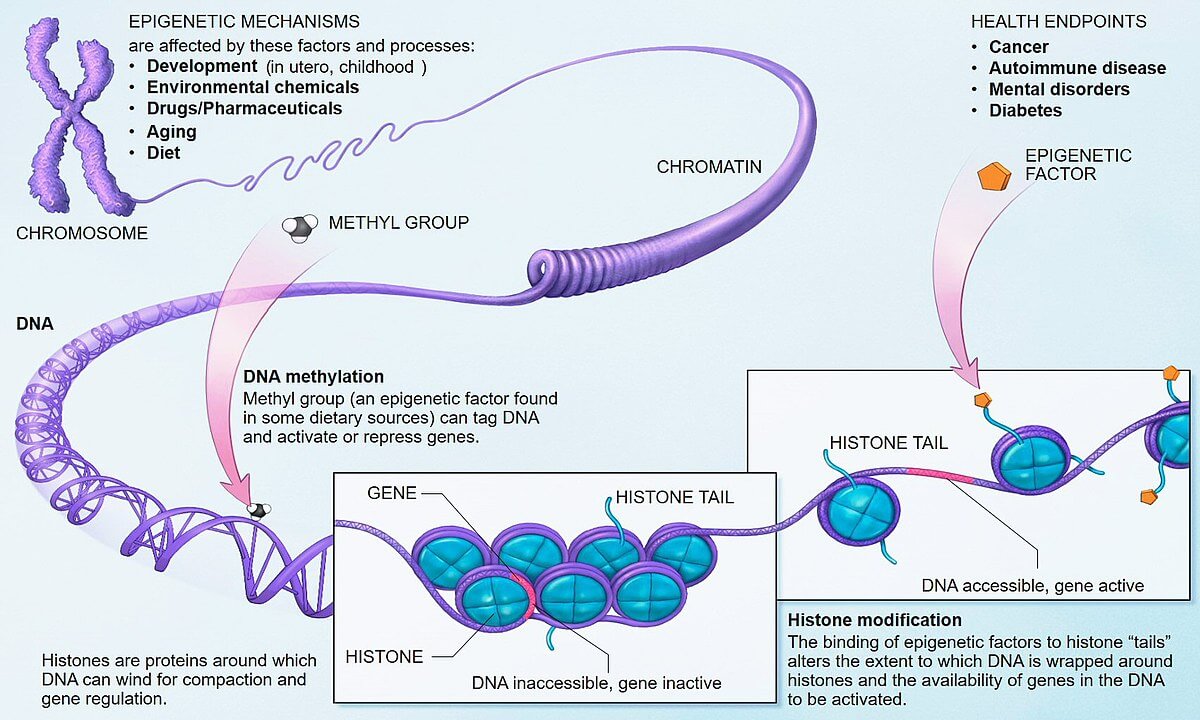
Transcription is regulated by a complex interplay of epigenetic modifications, including DNA methylation (notably 5-methylcytosine, or 5mC), histone modifications, and RNA modifications such as N6-methyladenosine (m6A). 5Mc, formed when a methyl group is added to DNA and often called the ‘fifth base’, plays a central role in controlling gene expression, guiding development, and shaping how diseases evolve. Histone modifications, including methylation, acetylation, phosphorylation, ubiquitylation, and SUMOylation, alter chromatin structure or recruit modifiers, thereby influencing transcriptional activation or silencing. On the other hand, m6A alteration has a significant impact on gene expression, RNA stability, cell fate determination, developmental processes, and disease pathogenesis1,4.   Gene expression and cellular function are significantly impacted by epigenetic changes. Numerous diseases in humans have been linked to dysregulation in these epigenetic markers. For instance, global hypomethylation may cause oncogenes to become active and cause genomic instability, whereas promoter hypermethylation may quiet tumour suppressor genes in cancer. Changes in histone protein and RNA methylation are linked to neurological disorders like Alzheimer’s disease (AD) and autism spectrum disorder, which impact the plasticity and function of neurones. In autoimmune diseases, improper methylation of genes involved in immune response can disrupt tolerance and trigger inappropriate immune reactions. The reversible nature of epigenetic modifications makes them promising targets for therapeutic interventions. Currently, DNA methyltransferase inhibitors (e.g., azacitidine, decitabine) and histone deacetylase inhibitors (e.g., vorinostat, resminostat) are utilized in the treatment of hematologic cancers, demonstrating the clinical potential of targeting epigenetic pathways. Emerging compounds that modulate RNA methylation, such as METTL3 inhibitors, are entering clinical trials, offering new avenues for treating cancers and neurodegenerative diseases. Beyond therapeutic applications, epigenetic modifications serve as valuable biomarkers. Specific DNA methylation alterations are employed in non-invasive cancer detection and prognosis. Thus, epigenomics bridges genetics, environmental factors, and disease progression, providing insights that extend beyond traditional genomic approaches2,3,5,6.
Epigenetic_mechanisms

Technologies to explore the epigenome

High-throughput sequencing technologies have significantly advanced epigenomics, allowing comprehensive analyses of DNA methylation, histone modifications, chromatin accessibility, and RNA modifications. Short-read sequencing platforms facilitate large-scale studies, while long-read methods provide insights into structural variations and complex genomic regions. Furthermore, epitranscriptomics have expanded our ability to study RNA modifications, further enhancing our understanding of gene regulation. Integrating data from epigenomic and transcriptomic layers is crucial for health and disease.

Short-read sequencing

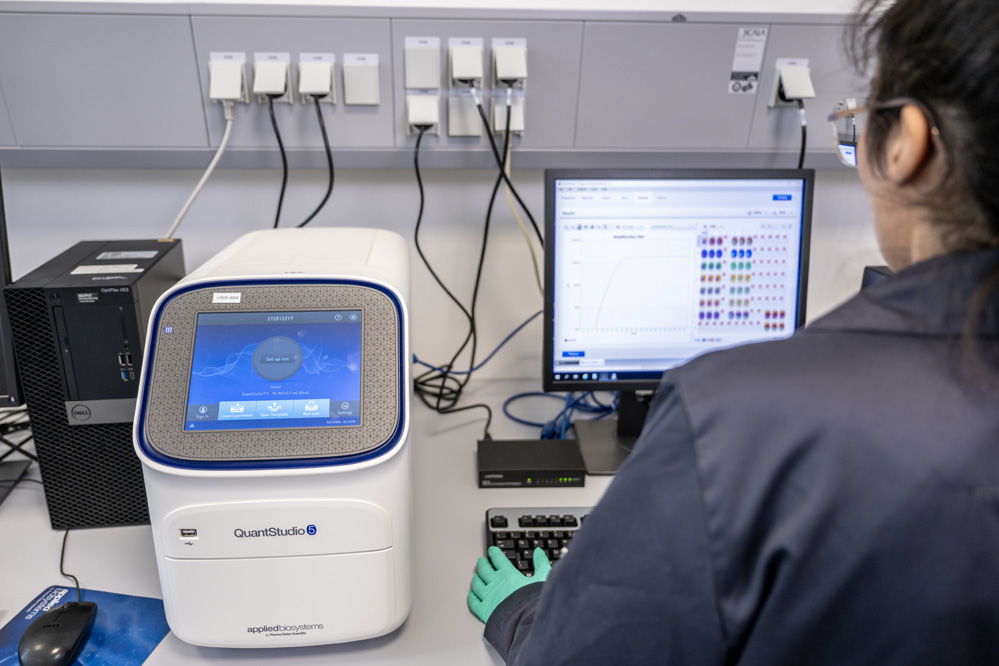
Short-read platforms like Illumina remain central to epigenomic research. Bisulfite conversion with Whole-Genome Bisulfite Sequencing (WGBS) or Reduced Representation Bisulfite Sequencing (RRBS) maps DNA methylation at single-base resolution in both CpG and non-CpG contexts, while short-read assays also profile chromatin accessibility with minimal input. These methods are cost-effective and scalable. However, bisulfite treatment severely damages DNA, cannot distinguish 5mC from 5-hydroxymethylcytosine (5hmC) without additional chemistry, and short-reads lack the length needed to phase distant methylation signals or resolve long structural features7.

Long-read sequencing

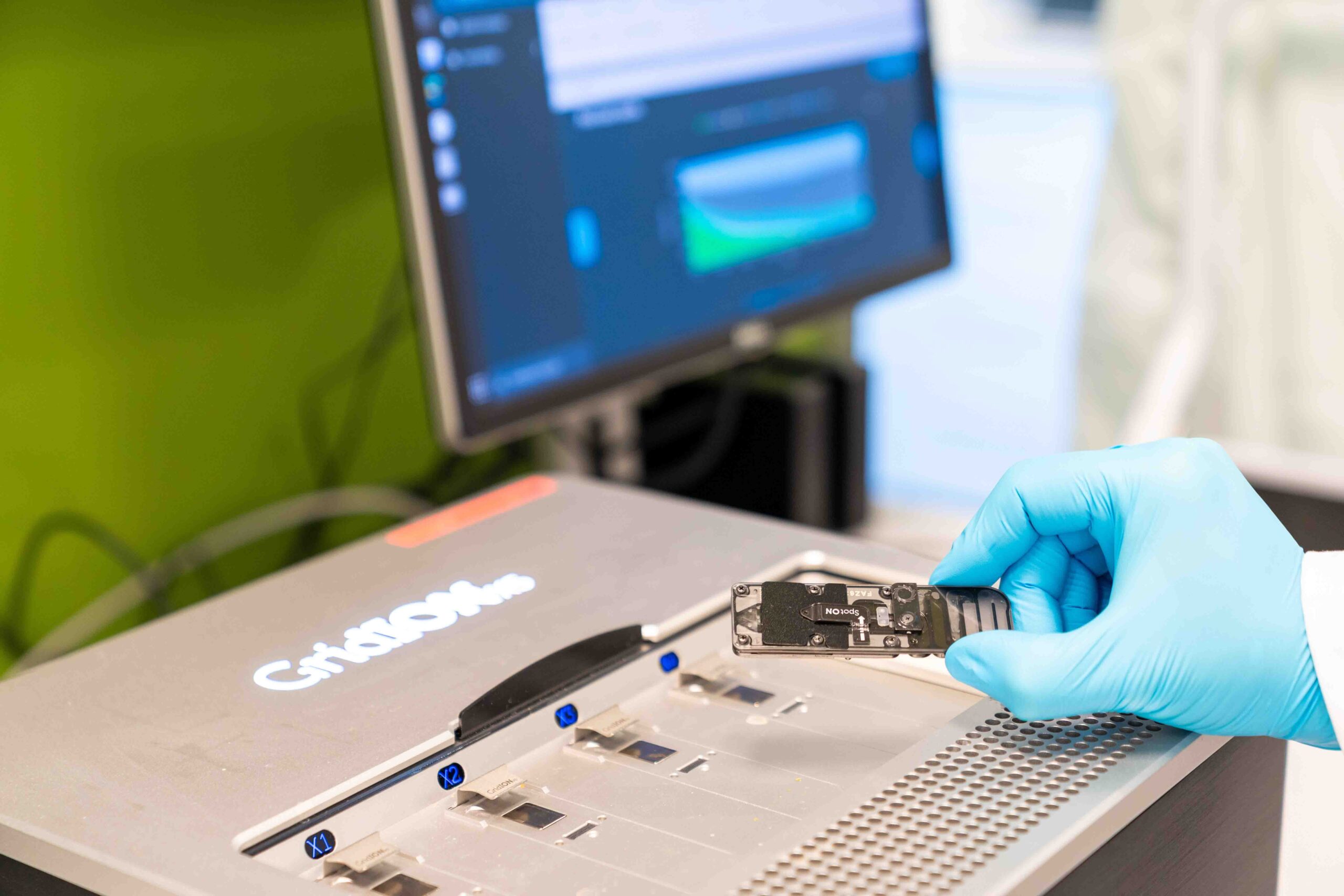
Platforms like Oxford Nanopore Technologies (ONT) and Pacific Biosciences (PacBio) directly sequence native DNA, detecting modifications such as 5mC and 5hmC without bisulfite conversion. Long-read sequencing also uncovers structural variants, allele-specific methylation, viral integrations, and extrachromosomal DNA. In cancer studies, these technologies have revealed complex rearrangements and epigenomic patterns that short-read methods cannot resolve, making them invaluable for disease research8.

mRNA epigenomics (Epitranscriptomics)

Epitranscriptomics studies chemical modifications on RNA molecules, with m6A being the most prevalent. These modifications, regulated by “writers,” “erasers,” and “readers,” affect RNA metabolism and are linked to diseases like cancer, metabolic disorders, and neurological conditions. Advanced techniques like MeRIP-seq and direct RNA sequencing using ONT have enabled high-resolution profiling of these modifications, facilitating biomarker discovery, disease stratification, and the development of RNA-based therapeutics.

Integration with transcriptomics

The complete understanding of epigenomic changes requires integration with gene expression data. Combining transcriptomic and epigenomic analyses allows researchers to link chromatin states and methylation marks with transcriptional outputs. Multi-omics approaches help distinguish between driver modifications and secondary changes, providing actionable biomarkers and insights into therapeutic responses. Epitranscriptomic signatures for instance, have been identified, that predict treatment resistance in cancer, showcasing the clinical potential of integrated analyses.

Applications of epigenomic research

Oncology

Epigenomic profiling has become instrumental in oncology, enhancing tumor classification, refining diagnostic accuracy, and identifying prognostic biomarkers. Distinctive patterns of DNA methylation and histone modifications offer more precise differentiation of cancer subtypes compared to genetic mutations alone. Therapeutic resistance often arises from epigenetic reprogramming, such as hypermethylation of tumor suppressor genes or altered histone acetylation, enabling tumors to circumvent treatment strategies. Therapeutically, inhibitors targeting DNA methyltransferases (DNMTs), histone deacetylases (HDACs), and other epigenetic “writers,” “erasers,” and “readers” are in clinical trials or use3,5.

Neurology

Memory formation and maintenance rely on dynamic epigenetic changes. DNA methylation and histone post-translational modifications respond to neuronal activity to regulate genes involved in synaptic plasticity. For instance, fear-conditioning causes methylation of memory-suppressor genes and demethylation, alongside increased histone acetylation at promoters of memory-enhancing genes like BDNF. Notably, DNA methylation in mature neurons is maintained over time to support remote memory beyond the hippocampus, while disruptions in these epigenetic processes correlate with cognitive decline and AD2.

Immunology

Epigenomic patterns shape how immune cells respond to infection and vaccination. Specific CpG methylation signatures correlate with stronger antibody responses, while baseline “epigenetic age” in B cells influences outcomes. Vaccines like BCG can leave lasting methylation marks that enhance innate defense, suggesting a role for epigenomic profiling in guiding personalized immunization9.

Development and stem cell research

DNA methylation and histone marks control pluripotency and lineage commitment. During iPSC reprogramming, repressive epigenetic marks create barriers, and residual “epigenetic memory” from the source cell can affect differentiation. Modulating epigenetic regulators is helping improve reprogramming efficiency and stem cell applications.

Pharmacogenomics

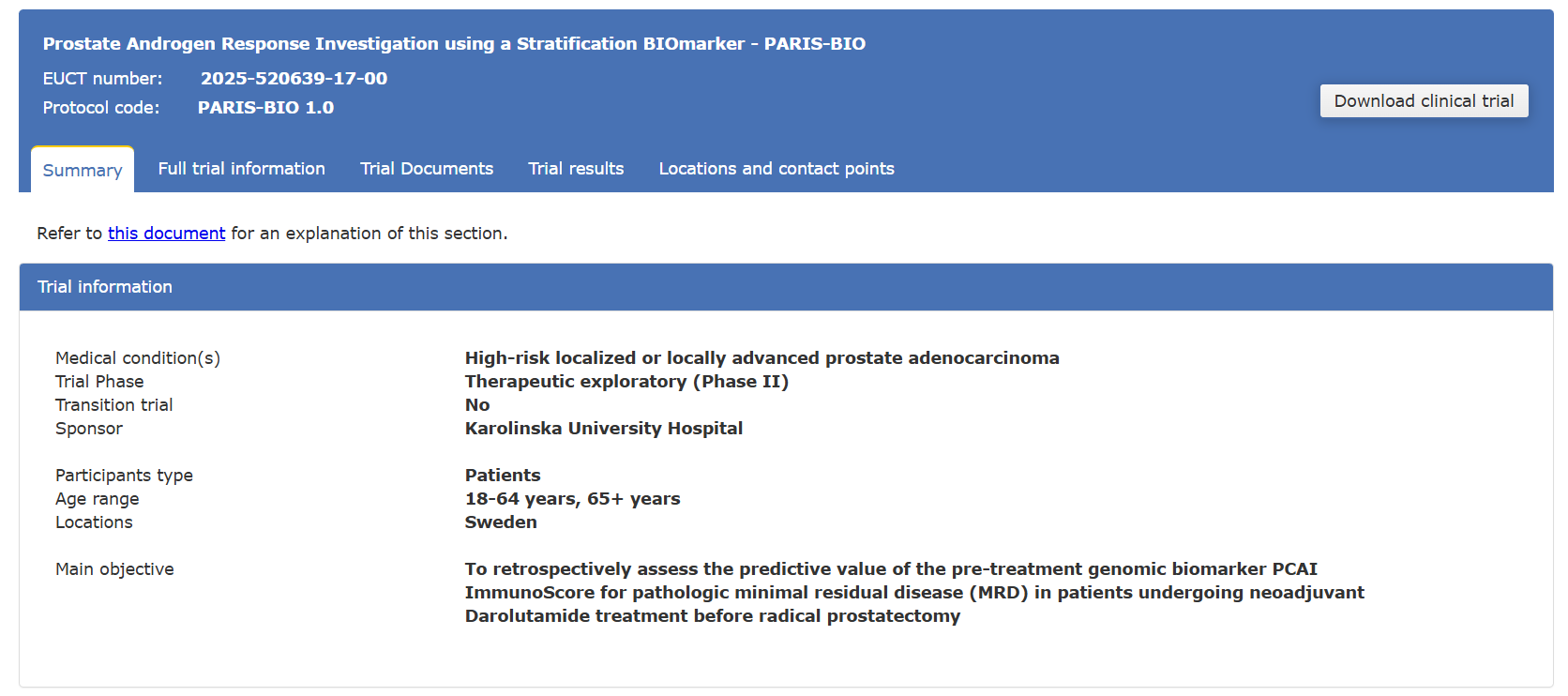
Epigenomic biomarkers are emerging as valuable tools for predicting therapy response and adverse effects. In melanoma, tumor DNA methylation signatures correlate with response to immune checkpoint inhibitors. Methylation in immune genes can forecast vaccine efficacy, while marks in oncogenes or tumor suppressors predict sensitivity to epigenetic drugs. Integrating histone modification and DNA methylation data is also improving prediction of chemotherapy and immunotherapy outcomes, supporting more personalized and effective treatment strategies4,10.

OHMX.bio’s expertise in epigenomics

OHMX.bio offers a comprehensive suite of sequencing services, including short-read sequencing platforms like Illumina, long-read sequencing with Oxford Nanopore, and the Element Biosciences AVITI system. The AVITI sequencer employs Avidity Base Chemistry (ABC) to deliver high accuracy, flexible throughput, and cost efficiency, supporting a range of applications from small-panel targeted assays to large-scale whole-genome experiments. OHMX.bio can help in analyzing complex epigenomic modifications, such as DNA methylation and RNA modifications, across diverse and challenging sample types. This includes archival clinical specimens and rare or low-input tissues. Advanced bioinformatics pipelines are employed to decode intricate epigenomic signals, integrating methylation, chromatin accessibility, and RNA modification data to separate meaningful signals from noise. Through the utilisation of omics, transcriptomic, epigenomic, and chromatin data, we transform intricate datasets into insights that are based on value. Beyond regular sequencing to translational effect, our integrated platform helps the forecasting of treatment results and risk, guides therapeutic decisions, and enables accurate diagnoses.

Conclusion

Epigenomics aims to understand the intricate processes governing gene expression and how they relate to both health and illness. By studying reversible modifications like DNA methylation, histone modification, and RNA modification, scientists have discovered how ageing, lifestyle choices, and environmental exposures may alter gene activity without altering the underlying DNA sequence. These findings have resulted in the development of targeted immunology, neurology, and oncology medicines as well as biomarkers for the early diagnosis of disease. Integration of epigenomic information with transcriptomic and genomic information is essential for personalized medicine. OHMX.bio is on the frontier of this science and possesses state-of-the-art technologies and unparalleled experience to unlock the silent code of disease and health. Our commitment to advancing this science allows us to drive new breakthroughs in this rapidly evolving field.

References

[1] Xie, S., Hagen, D., Becker, G.M. et al.Analyzing the relationship of RNA and DNA methylation with gene expression. Genome Biol 26, 140 (2025). https://doi.org/10.1186/s13059-025-03617-3

[2] Maity, S., Farrell, K., Navabpour, S., Narayanan, S. N., & Jarome, T. J. (2021). Epigenetic mechanisms in memory and cognitive decline associated with aging and Alzheimer’s disease. International journal of molecular sciences22(22), 12280.

[3] Yu, X., Zhao, H., Wang, R., Chen, Y., Ouyang, X., Li, W., … & Peng, A. (2024). Cancer epigenetics: from laboratory studies and clinical trials to precision medicine. Cell Death Discovery10(1), 28.

[4]Vilwanathan, R., Chidambaram, A., & Chidambaram, R. K. (2019). Pharmacoepigenetics: Novel Mechanistic Insights in Drug Discovery and Development Targeting Chromatin-Modifying Enzymes. In Pharmacoepigenetics(pp. 437-445). Academic Press.

[5] Feehley, T., O’Donnell, C. W., Mendlein, J., Karande, M., & McCauley, T. (2023). Drugging the epigenome in the age of precision medicine. Clinical Epigenetics15(1), 6.

[6] Wen, D., Fu, P., Shuai, G., Wang, Y., Yu, S., Liu, H., … & Zou, X. (2025). The impact of METTL3 on bladder cancer through m6A modification: a potential therapeutic target and prognostic biomarker. Frontiers in Oncology15, 1622117.

[7] Grehl, C., Kuhlmann, M., Becker, C., Glaser, B., & Grosse, I. (2018). How to design a whole-genome bisulfite sequencing experiment. Epigenomes2(4), 21.

[8] CD Genomics. Long Read Sequencing for Epigenomics and Epitranscriptomics. Assessed from https://www.cd-genomics.com/longseq/resource-long-read-sequencing-epigenomics-epitranscriptomics.html.

[9] Pischedda, S., O’Connor, D., Fairfax, B. P., Salas, A., Martinon-Torres, F., Pollard, A. J., & Trück, J. (2021). Changes in epigenetic profiles throughout early childhood and their relationship to the response to pneumococcal vaccination. Clinical epigenetics13(1), 29.

[10] Smith, D. A., Sadler, M. C., & Altman, R. B. (2023). Promises and challenges in pharmacoepigenetics. Cambridge Prisms: Precision Medicine1, e18.

Search all posts

Popular news & events

Tags

Do you have questions about epigenomics?

Fill out the form below and our experts will get back to you as soon as possible!
Logo-OHMX.bio
Privacy Overview

This website uses cookies so that we can provide you with the best user experience possible. Cookie information is stored in your browser and performs functions such as recognising you when you return to our website and helping our team to understand which sections of the website you find most interesting and useful.

Cookie statement

Last updated:  19-09-2024

This cookie statement is drafted and managed by OHMX.bio NV,

hereafter referred to as “OHMX.bio”.

OHMX.bio has its headquarters at Proeftuinstraat 86, 9000 Gent, Belgium, registered with company number XXX.

For all questions and/or remarks, please contact us at the address mentioned above or at the e-mail address privacy@ohmx.bio.

USE OF COOKIES


OHMX.bio considers it important that you can view, listen to, read or experience our website content at any place and at any time via various media platforms. We want you to be able to use interactive features and provide services tailored to your needs. Therefore OHMX.BIO uses online techniques like cookies, scripts and similar technologies (hereafter referred to as ‘cookies’). These help us facilitate the use of the website and improve its functionality, by collecting (personal) data of our website visitors via their website usage.


In this cookie statement, OHMX.bio wishes to inform you what kind of cookies are used and why.

OHMX.bio can amend the cookie statement at any time. This can happen, for example, in the context of changes to its services or the applicable legislation. The amended statement will then be published on the OHMX.bio websites and will apply from the moment it is published.


If the use of certain cookies also involves the processing of “personal data”, the OHMX.bio Privacy Statement is also applicable.


WHAT ARE COOKIES?


A cookie is a small data file that is installed in the browser of your computer or mobile device by a website's server or application when you visit a website or use a (mobile) application.

The cookie file contains a unique code with which your browser can be recognized during the visit to the online service or during consecutive, repeated visits. They generally make the interaction between the visitor and the website or application easier and faster and help the visitor to navigate between the different parts of a website or application. They allow us to retain certain settings, such as your language choice or to optimize your user experience.


There are different types of cookies that can be distinguished according to their origin, function and lifespan. This is explained further in the next section.

TYPES OF COOKIES

How long are cookies stored?

Cookies can be stored on your computer or mobile device for different periods of time. Depending on the type, they (and the information they collect) are automatically deleted when you close your browser (these are the so-called “session cookies”), in other cases, these remain stored for a longer period of time and can also be used during a subsequent visit to this website (these are the so-called “permanent cookies”).

Consult the detailed information on OHMX.bio cookies (below) to know the retention periods.

Who places and manages cookies?

First-party cookies

First-party cookies are managed by OHMX.bio and are specific to the visited or used online service.

Third party cookies

Third party cookies are managed and placed by a third party. This happens during your visit or use of the website. These ensure that certain information is sent to third parties by your visit to the website.

Why cookies?

Necessary cookies

Necessary or essential cookies are necessary for the operation of the website. It is therefore advised not to disable these.

Functional cookies

These are cookies that ensure that the website functions properly. Examples of some functions performed:

- remembering your login details

- ensuring the security of your login details

- ensuring the uniformity of the layout of the website

Performance and analysis cookies

On the basis of these cookies, information is collected about the way visitors use our website. This is done with the intention to improve the content of our websites, to further adapt it to the wishes of the visitors and to increase the usability of our websites. Like for example google analytics.

Social media cookies

The website can implement so-called embedded elements of other third parties, such as YouTube, Twitter and Facebook. These are used to integrate social media into the website via plug-ins.

Other cookies

These are cookies that do not belong to one of the above categories. For example, cookies that can be used to make web analyzes themselves to optimize the website. In addition to the above-mentioned performance and analysis cookies, other web analysis cookies can be used. These will probably have to be disabled because identifiable personal data may be processed here. This is not the case with the mentioned performance analysis cookies.

OHMX.bio  uses different types of cookies.


Cookie Description Duration Type
cookielawinfo-checkbox-necessary This cookie is set by GDPR Cookie Consent plugin. The cookies is used to store the user consent for the cookies in the category "Necessary". 1 hour Necessary
__utma This cookie is set by Google Analytics and is used to distinguish users and sessions. The cookie is created when the JavaScript library executes and there are no existing __utma cookies. The cookie is updated every time data is sent to Google Analytics. 2 years Performance
__utmc The cookie is set by Google Analytics and is deleted when the user closes the browser. The cookie is not used by ga.js. The cookie is used to enable interoperability with urchin.js which is an older version of Google analytics and used in conjunction with the __utmb cookie to determine new sessions/visits. Performance
__utmz This cookie is set by Google analytics and is used to store the traffic source or campaign through which the visitor reached your site. 5 months Performance
__utmt The cookie is set by Google Analytics and is used to throttle request rate. 10 minutes Performance
__utmb The cookie is set by Google Analytics. The cookie is used to determine new sessions/visits. The cookie is created when the JavaScript library executes and there are no existing __utma cookies. The cookie is updated every time data is sent to Google Analytics. 30 minutes Performance


HOW CAN YOU TURN OFF COOKIES?


If you choose to disable cookies, you can do so for the browser you use:


If you use different devices to visit this website, make sure that your cookie preferences are set on the browser of every device.


Please note that disabling certain cookies may result in the malfunction of related features on the website e.g. certain graphics may not show the way they are meant to, or you may not be able to use certain services.

CHANGES TO THIS COOKIE STATEMENT

OHMX.BIO may amend this Cookie Statement in accordance with certain technical, legal or commercial requirements and developments. We will inform you accordingly, taking into account the importance of the changes that have been made. You may find the date on which this Cookie Statement was last modified at the top of this Cookie Statement.