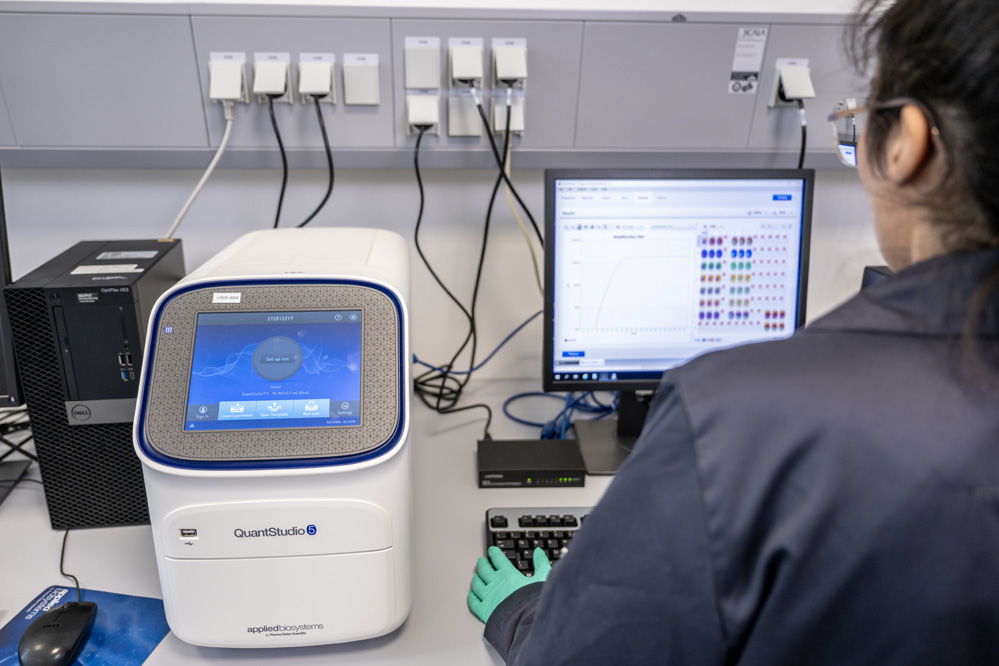
RNA sequencing: better choice than qPCR?

1. Introduction to RNA sequencing

RNA sequencing (RNAseq) is a revolutionary technique that provides deep insight into gene expression and regulation. Once considered to be the messenger between DNA and proteins, RNA now came to be recognized for its crucial regulatory roles in numerous cellular processes, both in normal and disease states. This technique has now become an essential tool in the contemporary field of biology, mainly for understanding gene regulation. Because RNAseq measures the types and numbers of RNA molecules, it is now possible to consider intricate biological entities at unprecedented depths. It enables research and development in nearly all industries, from healthcare and pharmaceuticals to agriculture. The increasing demand for RNAseq reflects its importance in developing scientific knowledge and uncovering the molecular mechanisms behind various traits or diseases1-3. We will explain what RNA-seq is and its applications in different fields to advance the understanding of the readers in this area.

2. What is RNA-seq?

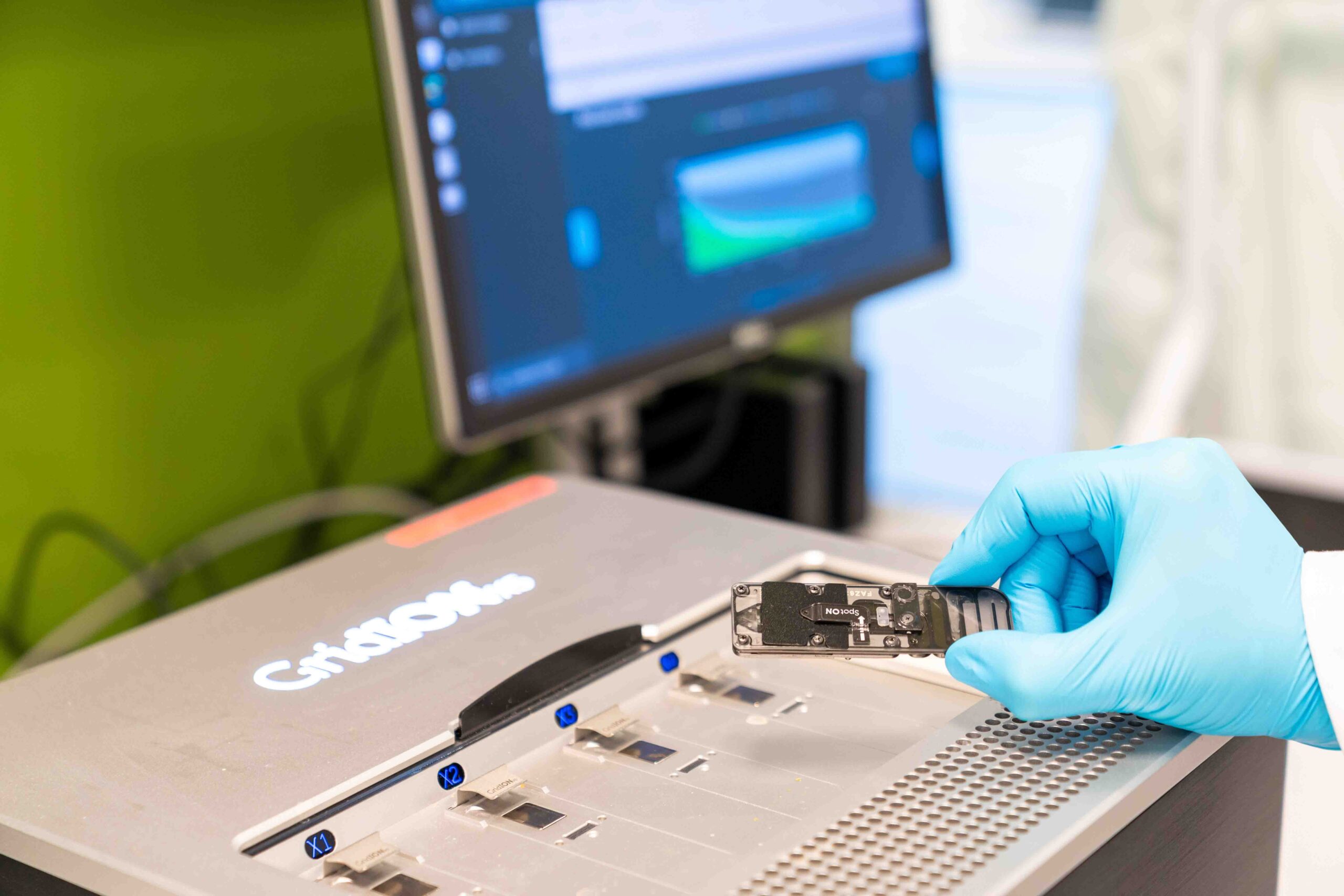
The length and quantity of RNA in a cell or tissue are sequenced in respect to its genomic context using the transcriptome sequencing method known as RNAseq. The process of RNA expression profiling or gene expression analysis starts with the extraction of RNA from the biological sample. The extracted RNA is then typically converted to complementary DNA (cDNA) which in turn is sequenced using NGS methods. Alternatively, some sequencing techniques allow for the direct sequencing of RNA (DirectRNA) without the cDNA conversion, thus also providing information on the modifications of the RNA.
In the area of transcriptomics, RNAseq has great potential to determine the extent of gene expression in alternative splicing of mRNAs and non-coding RNAs and untranslated regions of new gene transcripts. In recent years many technological advances have been made providing an improved and sensitive resolution. There are several commonly used sequencing platforms for RNA-seq such as Illumina, Element Biosciences, Nanopore, and PacBio. Illumina’s short-read technology has a high level of accuracy (though surpassed by Element Biosciences) and has a high throughput. However, it is not ideal for quantitative gene expression analysis. Long-read sequencing, in contrast to Illumina’s short-read sequencing, improves on the coverage of complex genomic regions as well as full-length cDNA or RNA sequences. These technologies work in concert and include combinations of coding and non-coding transcripts along with strategies using short and long reads thereby enhancing overall accuracy 4,6.

3. Applications of RNA-seq

Gene Expression Profiling

The profiling of gene expression plays a significant role in understanding the physiological as well as pathological processes of the body. RNAseq has become a compelling replacement for conventional microarray-based analyses of transcriptional activities. The technique has revolutionized cancer research by featuring differential gene expression, tumor heterogeneity, drug resistance, and tumor microenvironment studies7. Furthermore, it is effective in identifying early and high-risk mutations, discovering new cancer biomarkers as well as novel therapeutic targets, monitoring the disease course, and making meaningful decisions regarding targeted therapy. In the toxicogenomic context, RNAseq has been applied to find differentially expressed genes in tissues after treatment with various compounds for estimating possible toxic impacts and the underlying mechanisms8,9.

Transcriptome Analysis

The transcriptome is described as the collection of RNA present in an organism, a tissue, or even a cell. The introduction of NGS technology has extended the spectrum of transcriptomics, where RNAseq became the core method for transcriptome analysis. This is important in the understanding of the transcript, isoforms, and non-coding RNAs, hence altering the paradigm of gene expression studies. RNAseq allows the detection of different transcript variants originating from the same gene 10. Apart from these, RNAseq has been successfully used for the discovery of long non-coding RNAs (lncRNAs) which are key regulatory molecules11. Transcriptomic profiling also helps in the identification of stem cells and other complex diseases-associated biomarkers which help in the understanding of targets for the therapies 12.

Comparative Transcriptomics

RNAseq is particularly useful in comparative transcriptomics since gene expression can be readily compared among species, different time points, or different conditions. As such, it enables transcriptomics investigations even in species that are not classically studied or lack genomic information. RNAseq allows for such comparisons across species, and it is observed that there are both similarities and differences in some gene expressions. Comparing multiple organs within a species, it has been shown that core organs share the same functional traits across a variety of species 13,16.

Single-Cell RNA-Seq

Single-cell RNA sequencing (scRNAseq) has become a prominent tool for studying the complexity and heterogeneity of RNA transcripts in tissues and especially in individual cells. It looks at the composition and activity of various types of cells in different tissues and organs. This approach is highly valuable in the study of cancer by allowing the discovery of novel cell subset populations, stratification of cancer microenvironments, and the identification of mutations at the single-cell level. It has expanded knowledge concerning tumors and processes leading to their forming17. In immunology, transcripts of immune cells have been thoroughly investigated, taking the focus away from markers only on the surface of the cell discovering new subtypes, and enhancing understanding of immune and inflammatory responses 18.

Other Notable Applications

Beyond the mentioned categories, RNAseq also assists in studying the mechanisms of gene regulation in the epigenomic context19. It is helpful in pharmacogenomics as RNAseq identifies genetic polymorphisms that affect sensitivity to therapy, thus signaling the future of targeted therapies. By customizing medicines according to gene expression profiles of the patient, RNA-seq further advances precision medicine 20.

4. Costs and pricing of RNA-seq

Costs associated with RNAseq projects are very variable, particularly in the organization of tasks such as sample preparation, sequence depth, and data analysis. General RNAseq is comparatively cheaper compared to scRNA-seq (~$5,000) and a relatively larger transcriptomic project as a number of standards and advanced techniques are needed to attain such a throughput. Costs for sample preparation can vary depending on the degree of complexity of the library preparation protocols. Even though the costs of RNAseq are declining with the advancements in the area, the increase in techniques and focal points, such as scRNAseq and targeted isoform detection mean that RNAseq can still present a significant cost. It is important to discuss your project in detail and see what is actually needed to get an insight into the desired biological insights 21,27.

5. Conclusion

The versatility and significance of RNAseq in modern science are obvious. This advanced technology has become an important tool for discovering new biomarkers, examining the disease causes, and revealing the evolutionary links. Its application spans various domains, giving researchers the capacity to delve deeper into the complexity of gene expression and regulation. Breakthroughs into precision medicine, improved agricultural practices, and a better understanding of fundamental biological processes are highly anticipated through these insights originating from RNAseq. If you haven’t thought about using RNA-seq in your own study yet, this could be the ideal opportunity to do so!

References

[1] Spitale, R. C., & Incarnato, D. (2023). Probing the dynamic RNA structurome and its functions. Nature Reviews Genetics, 24(3), 178-196.
[2] Kukurba, K. R., & Montgomery, S. B. (2015). RNA sequencing and analysis. Cold Spring Harbor Protocols, 2015(11), pdb-top084970.
[3] Sripathi, V. R., Anche, V. C., Gossett, Z. B., & Walker, L. T. (2021). Recent applications of RNA sequencing in food and agriculture. Applications of RNA-Seq in Biology and Medicine, 97.
[4] Deshpande, D., Chhugani, K., Chang, Y., Karlsberg, A., Loeffler, C., Zhang, J., … & Mangul, S. (2023). RNA-seq data science: From raw data to effective interpretation. Frontiers in Genetics, 14, 997383.
[5] Amarasinghe et al. (2020). Opportunities and challenges in long-read sequencing data analysis. Genome biology, 21(1), 30.
[6] De Maio, N., Shaw, L. P., Hubbard, A., George, S., Sanderson, N. D., Swann, J., … & Stoesser, N. (2019). Comparison of long-read sequencing technologies in the hybrid assembly of complex bacterial genomes. Microbial genomics, 5(9), e000294.
[7] Hong, M., Tao, S., Zhang, L., Diao, L. T., Huang, X., Huang, S., … & Zhang, H. (2020). RNA sequencing: new technologies and applications in cancer research. Journal of hematology & oncology, 13, 1-16.
[8] Rukhsar, L., Bangyal, W. H., Ali Khan, M. S., Ag Ibrahim, A. A., Nisar, K., & Rawat, D. B. (2022). Analyzing RNA-seq gene expression data using deep learning approaches for cancer classification. Applied Sciences, 12(4), 1850.
[9] Rao, M. S., Van Vleet, T. R., Ciurlionis, R., Buck, W. R., Mittelstadt, S. W., Blomme, E. A., & Liguori, M. J. (2019). Comparison of RNA-Seq and microarray gene expression platforms for the toxicogenomic evaluation of liver from short-term rat toxicity studies. Frontiers in genetics, 9, 636.
[10] Dehghanzad, R., Khalafiyan, A., & Khanahmad, H. (2023). The Necessity of Using Strand-Specific cDNA for Achieving Accurate Transcriptome Analysis Result. Advanced Biomedical Research, 12(1), 108.
[11] Mostafa, S. M., Wang, L., Tian, B., Graber, J., & Moore, C. (2024). Transcriptomic analysis reveals regulation of adipogenesis via long non-coding RNA, alternative splicing, and alternative polyadenylation. Scientific Reports, 14(1), 16964.
[12] Sharma, S., Kalpdev, D., & Choudhary, A. (2024). Transcriptomic profiling–based identification of biomarkers of stem cells. In Computational Biology for Stem Cell Research(pp. 203-214). Academic Press.
[13] Todd, E. V., Black, M. A., & Gemmell, N. J. (2016). The power and promise of RNA‐seq in ecology and evolution.Molecular ecology, 25(6), 1224-1241.
[14] Sudmant, P. H., Alexis, M. S., & Burge, C. B. (2015). Meta-analysis of RNA-seq expression data across species, tissues and studies. Genome biology, 16, 1-11.
[15] Chung, M., Bruno, V. M., Rasko, D. A., Cuomo, C. A., Muñoz, J. F., Livny, J., … & Dunning Hotopp, J. C. (2021). Best practices on the differential expression analysis of multi-species RNA-seq. Genome biology, 22(1), 121.
[16] Darbellay, F., & Necsulea, A. (2020). Comparative transcriptomics analyses across species, organs, and developmental stages reveal functionally constrained lncRNAs. Molecular biology and evolution, 37(1), 240-259.
[17] Huang, D., Ma, N., Li, X., Gou, Y., Duan, Y., Liu, B., … & Zhang, X. (2023). Advances in single-cell RNA sequencing and its applications in cancer research. Journal of hematology & oncology, 16(1), 98.
[18] Yamawaki, T. M., Lu, D. R., Ellwanger, D. C., Bhatt, D., Manzanillo, P., Arias, V., … & Li, C. M. (2021). Systematic comparison of high-throughput single-cell RNA-seq methods for immune cell profiling. BMC genomics, 22, 1-18.
[19] Zhao, L. Y., Song, J., Liu, Y., Song, C. X., & Yi, C. (2020). Mapping the epigenetic modifications of DNA and RNA. Protein & cell, 11(11), 792-808.
[20] Kazim, I., Gande, T., Reyher, E., Bhutia, K. G., Dhingra, K., & Verma, S. (2024). Advancements in sequencing technologies:: from genomic revolution to single-cell insights in precision medicine. Journal of Knowledge Learning and Science Technology ISSN: 2959-6386 (online), 3(4), 108-124.
[21] Takele Assefa, A., Vandesompele, J., & Thas, O. (2020). On the utility of RNA sample pooling to optimize cost and statistical power in RNA sequencing experiments. BMC genomics, 21, 1-14.
[22] Gierahn, T. M., Wadsworth II, M. H., Hughes, T. K., Bryson, B. D., Butler, A., Satija, R., … & Shalek, A. K. (2020). Seq-Well: A Portable, Low-cost Platform for Single-Cell RNA-Seq of Low-Input Samples. Understanding the Cellular Ecology of Mtb Granulomas Using Single-Cell Sequencing, 28.
[23] Li, X., & Wang, C. Y. (2021). From bulk, single-cell to spatial RNA sequencing. International journal of oral science, 13(1), 36.
[24] Genomic Technologies | UCSF Functional Genomics Core
[25] Pricing | Genomics Analysis Core (GAC) (pitt.edu)
[26] Budgeting for an mRNA-seq project? How much does RNA Seq cost? (alitheagenomics.com)
[27] Microsoft Word – Summary sheet RNA seq costs.docx (bu.edu)

Search all posts

Popular news & events

Tags

Do you have questions about RNA sequencing?

Fill out the form below and our experts will get back to you as soon as possible!
Logo-OHMX.bio
Privacy Overview

This website uses cookies so that we can provide you with the best user experience possible. Cookie information is stored in your browser and performs functions such as recognising you when you return to our website and helping our team to understand which sections of the website you find most interesting and useful.

Cookie statement

Last updated:  19-09-2024

This cookie statement is drafted and managed by OHMX.bio NV,

hereafter referred to as “OHMX.bio”.

OHMX.bio has its headquarters at Proeftuinstraat 86, 9000 Gent, Belgium, registered with company number XXX.

For all questions and/or remarks, please contact us at the address mentioned above or at the e-mail address privacy@ohmx.bio.

USE OF COOKIES


OHMX.bio considers it important that you can view, listen to, read or experience our website content at any place and at any time via various media platforms. We want you to be able to use interactive features and provide services tailored to your needs. Therefore OHMX.BIO uses online techniques like cookies, scripts and similar technologies (hereafter referred to as ‘cookies’). These help us facilitate the use of the website and improve its functionality, by collecting (personal) data of our website visitors via their website usage.


In this cookie statement, OHMX.bio wishes to inform you what kind of cookies are used and why.

OHMX.bio can amend the cookie statement at any time. This can happen, for example, in the context of changes to its services or the applicable legislation. The amended statement will then be published on the OHMX.bio websites and will apply from the moment it is published.


If the use of certain cookies also involves the processing of “personal data”, the OHMX.bio Privacy Statement is also applicable.


WHAT ARE COOKIES?


A cookie is a small data file that is installed in the browser of your computer or mobile device by a website's server or application when you visit a website or use a (mobile) application.

The cookie file contains a unique code with which your browser can be recognized during the visit to the online service or during consecutive, repeated visits. They generally make the interaction between the visitor and the website or application easier and faster and help the visitor to navigate between the different parts of a website or application. They allow us to retain certain settings, such as your language choice or to optimize your user experience.


There are different types of cookies that can be distinguished according to their origin, function and lifespan. This is explained further in the next section.

TYPES OF COOKIES

How long are cookies stored?

Cookies can be stored on your computer or mobile device for different periods of time. Depending on the type, they (and the information they collect) are automatically deleted when you close your browser (these are the so-called “session cookies”), in other cases, these remain stored for a longer period of time and can also be used during a subsequent visit to this website (these are the so-called “permanent cookies”).

Consult the detailed information on OHMX.bio cookies (below) to know the retention periods.

Who places and manages cookies?

First-party cookies

First-party cookies are managed by OHMX.bio and are specific to the visited or used online service.

Third party cookies

Third party cookies are managed and placed by a third party. This happens during your visit or use of the website. These ensure that certain information is sent to third parties by your visit to the website.

Why cookies?

Necessary cookies

Necessary or essential cookies are necessary for the operation of the website. It is therefore advised not to disable these.

Functional cookies

These are cookies that ensure that the website functions properly. Examples of some functions performed:

- remembering your login details

- ensuring the security of your login details

- ensuring the uniformity of the layout of the website

Performance and analysis cookies

On the basis of these cookies, information is collected about the way visitors use our website. This is done with the intention to improve the content of our websites, to further adapt it to the wishes of the visitors and to increase the usability of our websites. Like for example google analytics.

Social media cookies

The website can implement so-called embedded elements of other third parties, such as YouTube, Twitter and Facebook. These are used to integrate social media into the website via plug-ins.

Other cookies

These are cookies that do not belong to one of the above categories. For example, cookies that can be used to make web analyzes themselves to optimize the website. In addition to the above-mentioned performance and analysis cookies, other web analysis cookies can be used. These will probably have to be disabled because identifiable personal data may be processed here. This is not the case with the mentioned performance analysis cookies.

OHMX.bio  uses different types of cookies.


Cookie Description Duration Type
cookielawinfo-checkbox-necessary This cookie is set by GDPR Cookie Consent plugin. The cookies is used to store the user consent for the cookies in the category "Necessary". 1 hour Necessary
__utma This cookie is set by Google Analytics and is used to distinguish users and sessions. The cookie is created when the JavaScript library executes and there are no existing __utma cookies. The cookie is updated every time data is sent to Google Analytics. 2 years Performance
__utmc The cookie is set by Google Analytics and is deleted when the user closes the browser. The cookie is not used by ga.js. The cookie is used to enable interoperability with urchin.js which is an older version of Google analytics and used in conjunction with the __utmb cookie to determine new sessions/visits. Performance
__utmz This cookie is set by Google analytics and is used to store the traffic source or campaign through which the visitor reached your site. 5 months Performance
__utmt The cookie is set by Google Analytics and is used to throttle request rate. 10 minutes Performance
__utmb The cookie is set by Google Analytics. The cookie is used to determine new sessions/visits. The cookie is created when the JavaScript library executes and there are no existing __utma cookies. The cookie is updated every time data is sent to Google Analytics. 30 minutes Performance


HOW CAN YOU TURN OFF COOKIES?


If you choose to disable cookies, you can do so for the browser you use:


If you use different devices to visit this website, make sure that your cookie preferences are set on the browser of every device.


Please note that disabling certain cookies may result in the malfunction of related features on the website e.g. certain graphics may not show the way they are meant to, or you may not be able to use certain services.

CHANGES TO THIS COOKIE STATEMENT

OHMX.BIO may amend this Cookie Statement in accordance with certain technical, legal or commercial requirements and developments. We will inform you accordingly, taking into account the importance of the changes that have been made. You may find the date on which this Cookie Statement was last modified at the top of this Cookie Statement.