Biomarkers in clinical studies: which to choose

1. Introduction to biomarkers

Biomarkers are characteristics that help us monitor biological and pathological processes or evaluate the effects of therapy. The National Institutes of Health (NIH) and the U.S. Food and Drug Administration (FDA) define a biomarker as “a defined characteristic that is measured as an indicator of normal biological processes, pathogenic processes, or biological responses to an exposure or intervention, including therapeutic interventions”. Biomarkers offer a valuable tool for monitoring risk factors and biological processes, providing an objective and reproducible approach for tracking health status or disease progression. In clinical research, choosing the right biomarker is crucial since it helps guide clinical decisions and treatment plans for patients. Moreover, biomarkers can assist in therapy response assessment, and patient stratification. Different biomarker analysis technologies, quantitative polymerase chain reaction (qPCR), enzyme-linked immunosorbent assay (ELISA), flow cytometry, and RNA sequencing (RNA-seq), offer various advantages depending on accuracy needs, sample types, and research goals1,4.

2. Understanding biomarkers in clinical studies

Biomarkers serve a significant role in clinical investigations, they enable physicians and researchers to understand, detect, and control numerous illnesses. It has several sorts of biomarkers, which are classified into broad groupings, each having a specific significance in the therapeutic setting.
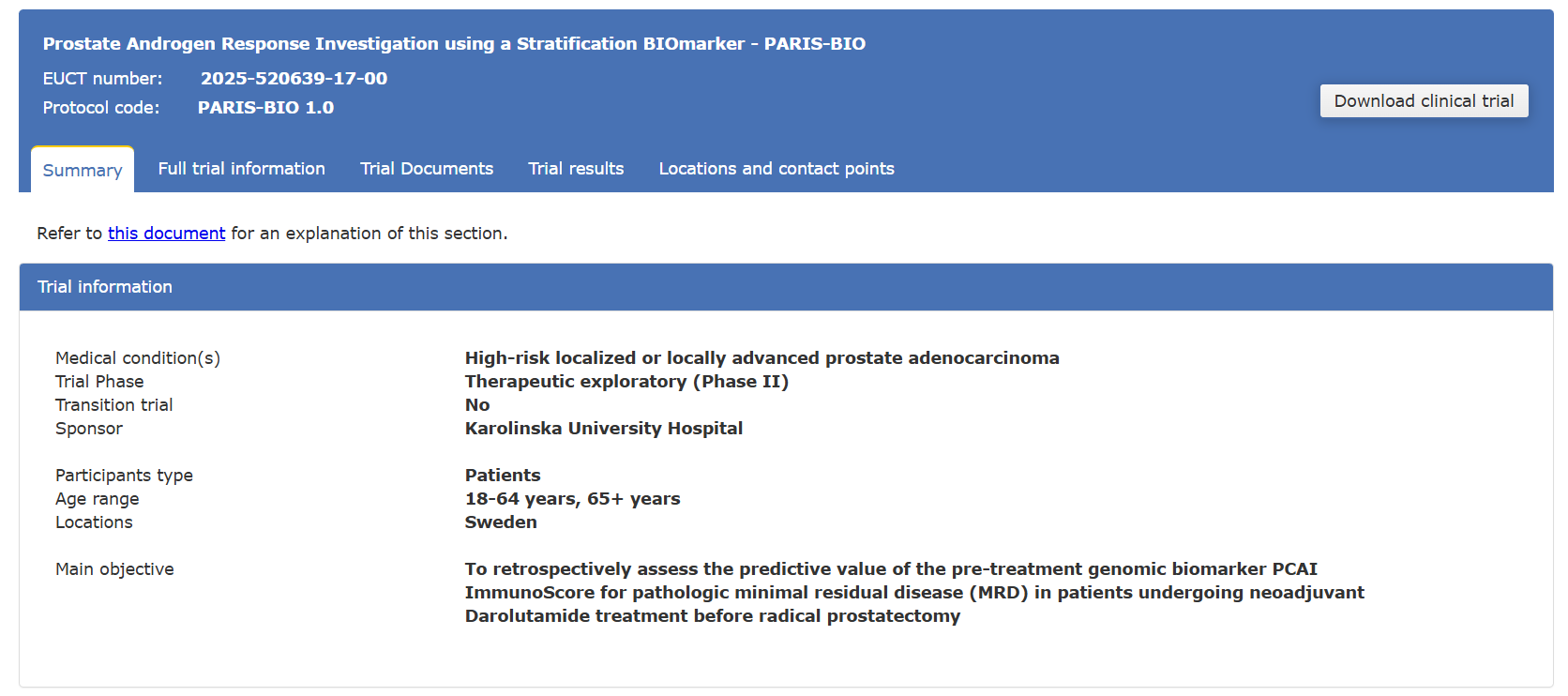
Diagnostic biomarkers aid in early detection and accurate diagnosis of specific diseases, such as prostate cancer, by detecting the presence or absence of the disease. Prognostic biomarkers predict the course and fate of an illness, allowing clinicians to anticipate a patient’s reaction to treatment and disease development. This is particularly crucial in cancer because biomarkers can predict aggressive disease growth. Predictive biomarkers indicate the probability of a patient’s reaction to a given therapy, allowing clinicians to tailor treatment plans, such as genetic testing for mutations in cancers.
Pharmacodynamic (PD) biomarkers quantify the biological activity of a drug, following up on the effectiveness of a treatment and implying dose adjustments. In chemotherapy, the monitoring of blood markers is done to assess how effective treatments have been and propose any alterations. Biomarkers are crucial for disease identification, patient stratification, and treatment monitoring, enhancing physicians’ understanding of disease mechanisms, optimizing patient outcomes, and delivering personalized therapies, and their types are essential for effective clinical research 4,6.

3. Key technologies for biomarker detection

3.1 Quantitative polymerase chain reaction

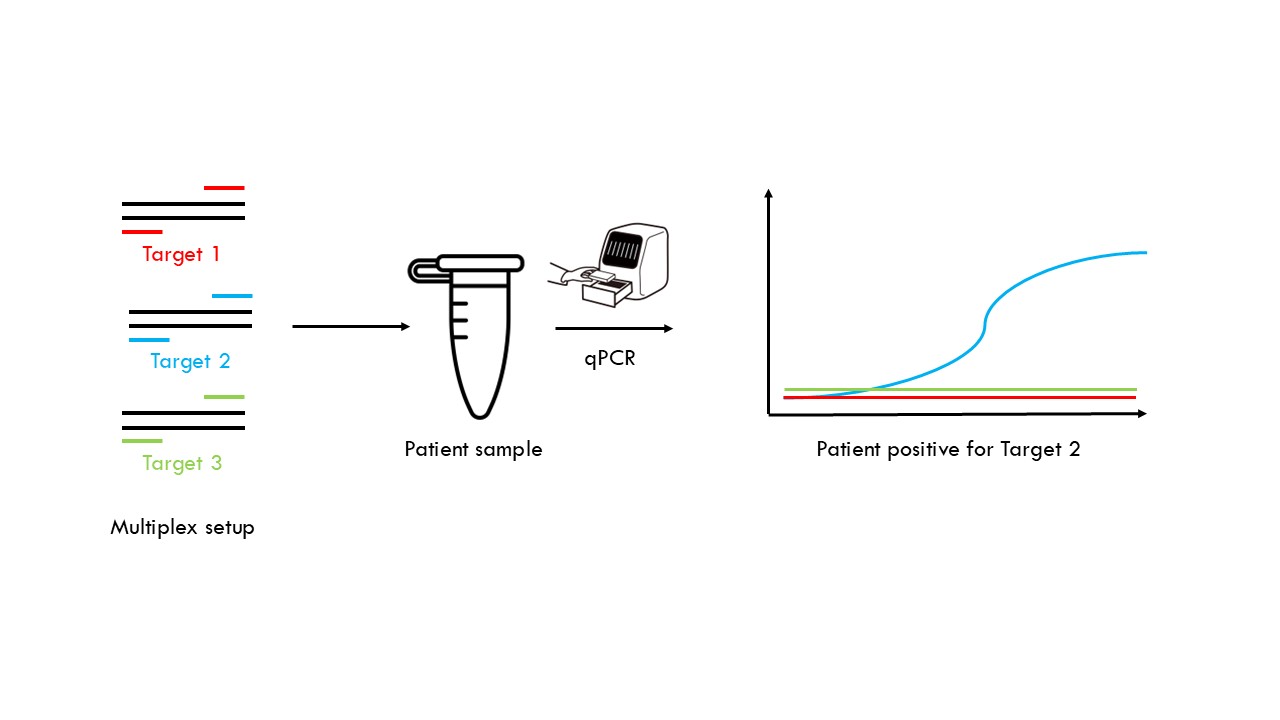
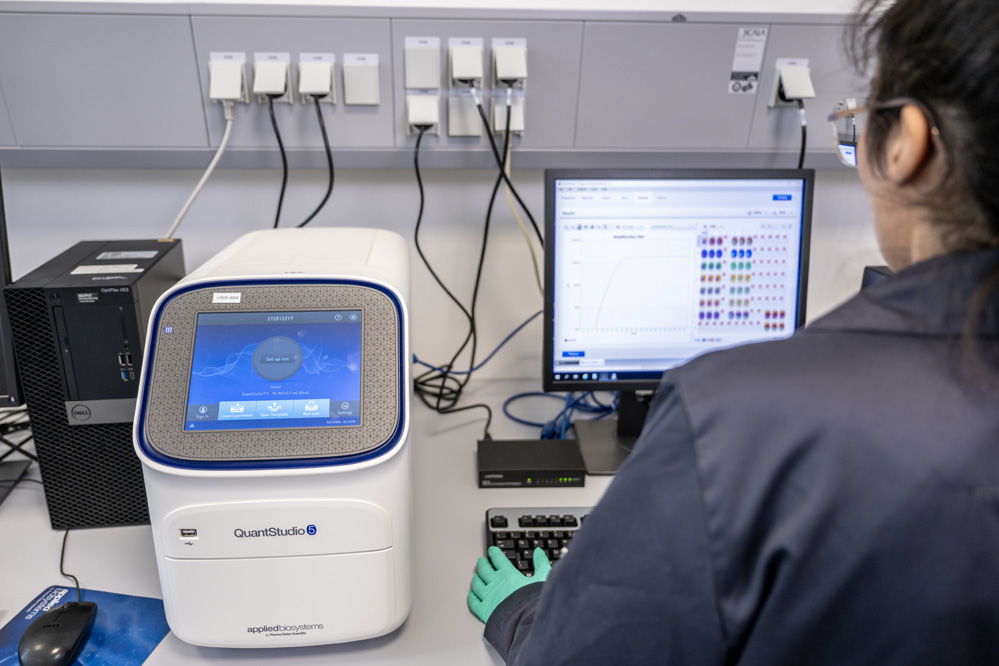
Strengths: qPCR is a sensitive and cost-efficient method used for biomarker identification, gene expression analysis, mutation detection, and infectious disease studies. It allows early disease diagnosis using low biomarker levels and offers real-time monitoring for enhanced accuracy and reduced contamination risks. It measures mRNA levels to explain gene activity and disease pathways. Applications: qPCR is commonly applied in a wide variety of studies, such as gene expression studies, mutation detection, and research involving infectious diseases wherein accurate detection of nucleic acid is needed. Limitations: The poor multiplexing ability of qPCR makes it ineffective for measuring multiple targets in a single reaction, and its focus on specific genes may not be suitable for complex biological systems, necessitating additional techniques for full biomarker analysis 2,7.
Quantitative polymerase chain reaction

3.2 ELISA (Enzyme-Linked Immunosorbent Assay)

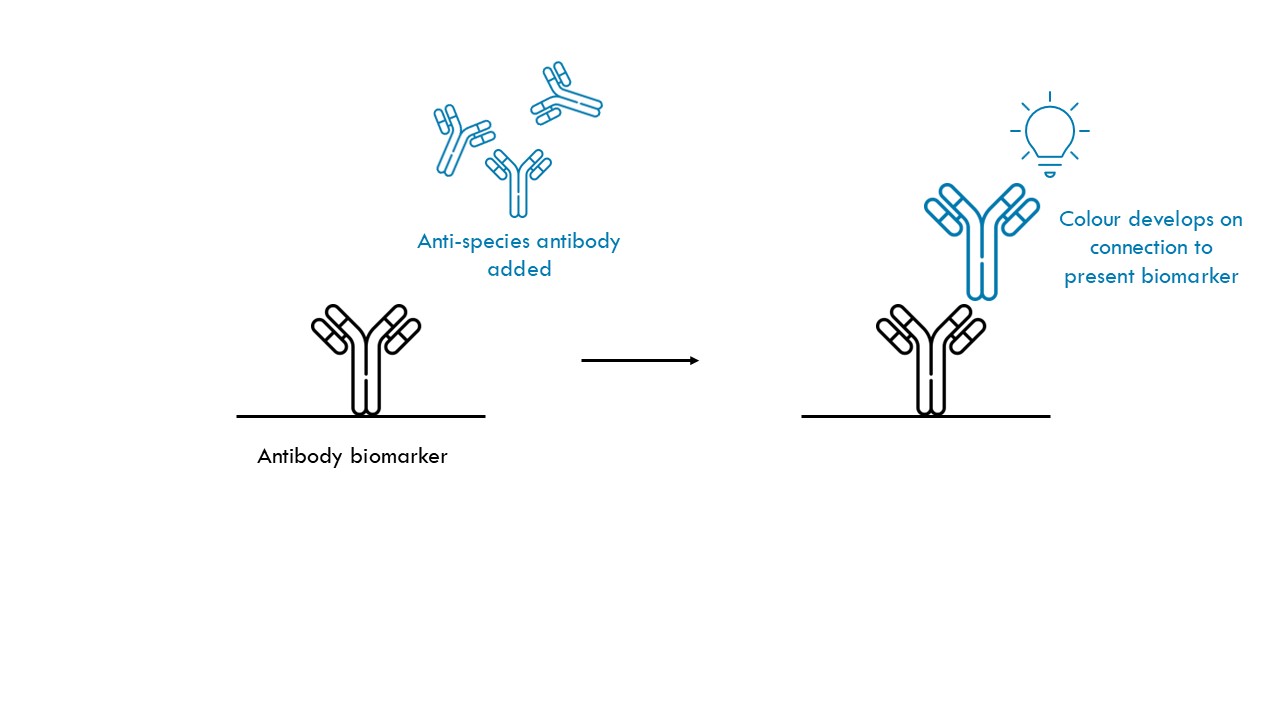
Strengths: ELISA is a widespread, sensitive technology employed to detect several sorts of biomarkers: hormones, viral and bacterial antigens, and antibodies. As the gold standard for immunoassays, ELISA gives exceptionally high sensitivity and specificity and can detect concentrations as low as 1 ng/mL. Applications: ELISA is a crucial tool for detecting protein biomarkers in blood or biofluids, aiding in immune response investigation and illness diagnosis. Its sensitivity in identifying low biomarker concentrations is crucial in early illness detection. ELISA is accessible, cost-effective, and readily available, making it a viable option in most laboratories. Limitations: ELISA has a limitation as it can only detect a single analyte, necessitating multiple assays for biomarker evaluation, and sample quality can affect outcomes, suggesting it should be used in conjunction with other techniques for extensive research 3,8.
ELISA (Enzyme-Linked Immunosorbent Assay)

3.3 Flow cytometry

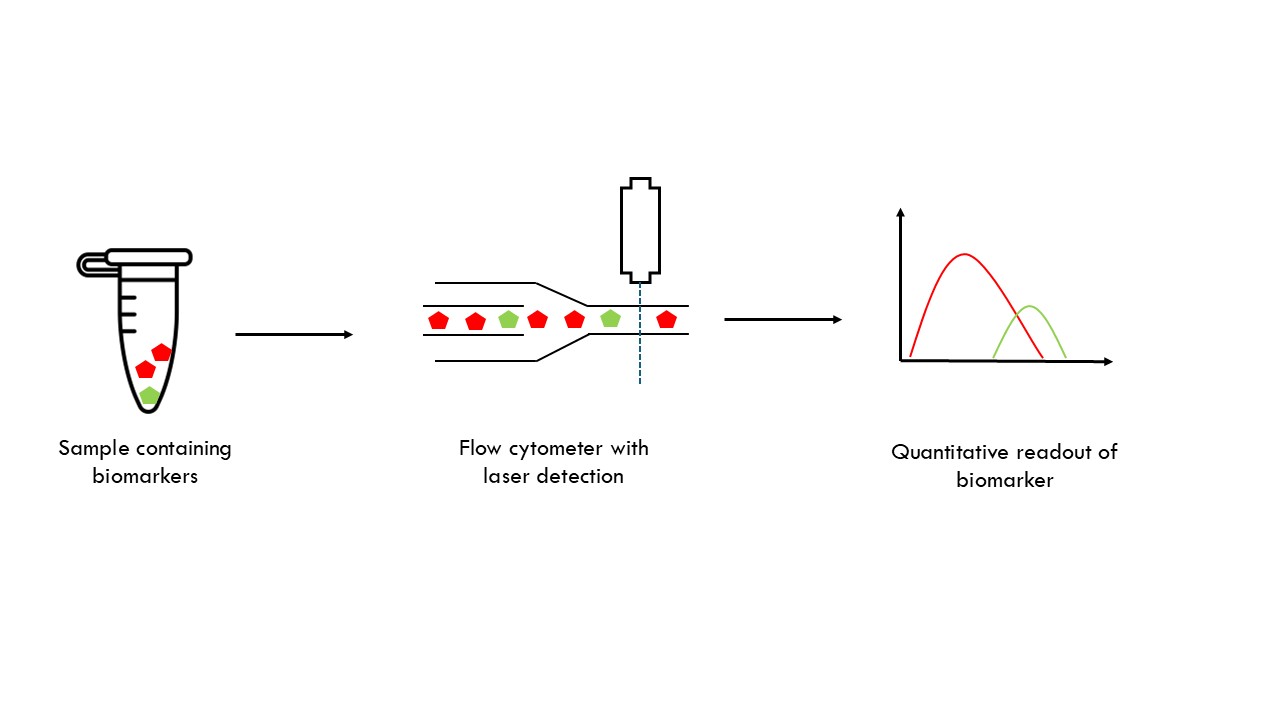
Strengths: Flow cytometry provides insight into the characteristic features of individual immune cells, making it possible to analyze more than 40 markers in multiparametric analysis. This is quite important in the study of immuno-oncology. Due to its ability to process tens of thousands of cells per second, it is also very important in clinical trials and immune profiling of diseases, among other applications.
Applications: Flow cytometry is a critical tool for examining protein markers, immune cell functions, and cell surfaces, particularly in cancer research, treatment response tracking, patient-specific tactics, and early clinical trials for complicated illnesses.
Limitations: Flow cytometry, despite its benefits, has drawbacks such as the need for specialized equipment, the possibility of inconsistent results from different labs, and poor sample quality, which affects data accuracy 9.
Flow cytometry

3.4 RNA-seq (RNA sequencing)

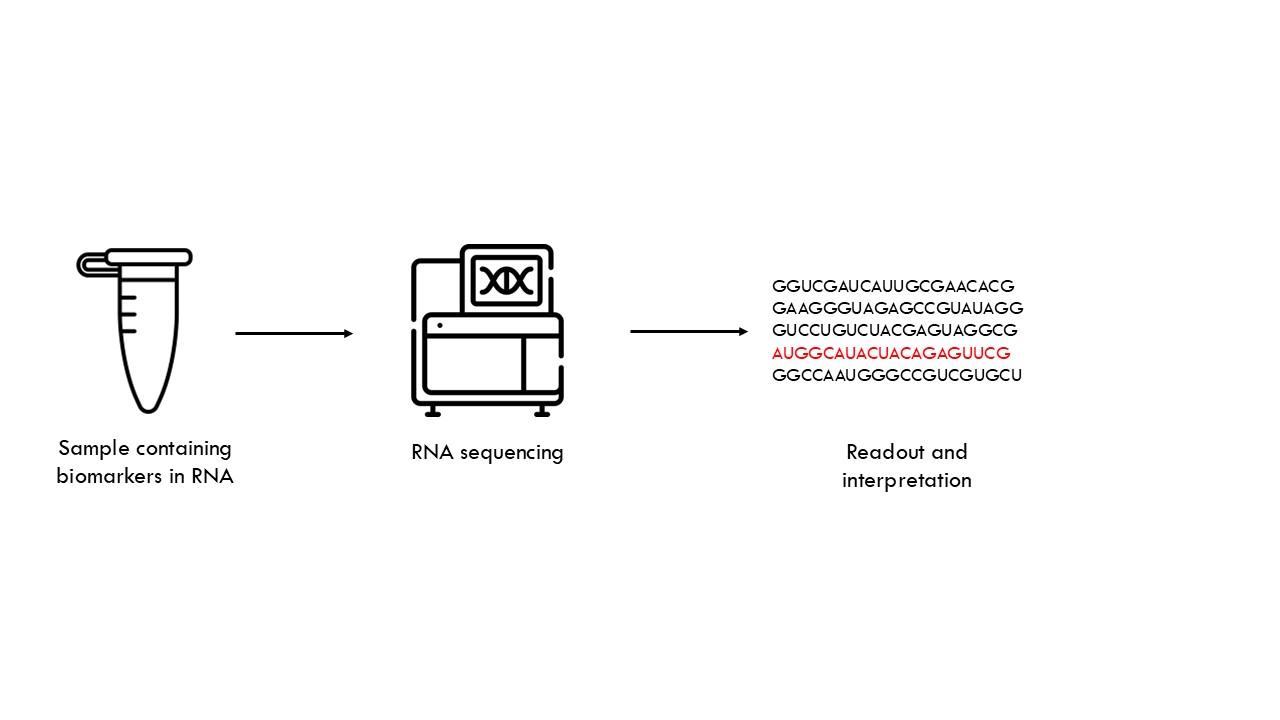
Strengths: RNA-Seq is a highly advanced technique that studies the entire transcriptome, capturing coding and non-coding RNAs, isoforms, and splicing processes. RNA-Seq is useful in identifying biomarkers in malignancies like triple-negative breast cancer, as it helps tailor treatment based on specific transcriptome profiles, improving results and guiding more accurate therapeutic techniques, despite the lack of recognised biomarkers in this field.
Applications: RNA-Seq is instrumental in identifying biomarkers for malignancies, enabling the development of personalized treatments based on specific transcriptome profiles, even in the absence of established biomarkers.
Limitations: Although RNA-Seq has benefits, it presents drawbacks such as cost and the technical complexity of making it practical in resource-scarce setups. The generated volume of data demands sophisticated tools to analyze bioinformatics, leading to complex, time-consuming processes 10.
RNA-seq (RNA sequencing)

4. How to choose the right biomarker type for your study

In the design of a clinical study, appropriate selection of the biomarker type is imperative. It involves careful consideration, and the definition of the goals of the study in advance is important and is considered a preparatory step. Whether the goal is to identify a diagnostic biomarker or monitor the response to therapeutic intervention should be determined during the selection process. In addition, the research questions provided also tend to influence the decision in terms of the selection of the type of biomarkers. Besides these, the selection of the sample type, whether from blood, tissues, or single cells, is equally imperative. Every sample type has specific technological and analytical methods, which strongly impact decisions and the outcome of the whole study.
The budget and available resources must be considered when balancing the desired resolution from biomarker analysis with the associated costs. RNA-sequencing is effective for exploratory studies, while qPCR or ELISA are used for targeted validation of specific biomarkers. The multiplexing factor is another important consideration. When several biomarkers must be simultaneously evaluated, the technologies of flow cytometry support multiparametric analysis which could be very important for immune profiling. Considering such factors in detail helps researchers conclude with the appropriate biomarker type and match technology needed to maintain the success of the clinical study 4-10.

5. Conclusion

Clinical research success relies on selecting the right biomarker type and technology. This choice is similar to selecting the right tool for the job, as it depends on research aims, available resources, study purposes, sample types, and funding. Exploratory investigations use RNA-seq to detect novel biomarkers, which are validated using qPCR or ELISA in targeted conditions. Each technology has its own capabilities and is adapted for specific study designs. Careful consideration of these parameters can enhance the outcome and efficiency of research.

References

[1] Carlos, A. F., & Josephs, K. A. (2023). The role of clinical assessment in the era of biomarkers. Neurotherapeutics, 20(4), 1001-1018.
[2] Ahmad, A., Imran, M., & Ahsan, H. (2023). Biomarkers as biomedical bioindicators: approaches and techniques for the detection, analysis, and validation of novel Biomarkers of diseases. Pharmaceutics, 15(6), 1630.
[3] Cruz, C. J. G., & Yang, C. C. (2023). Clinical application of serum biomarkers for detecting and monitoring of chronic plaque psoriasis. Frontiers in Molecular Biosciences, 10, 1196323.
[4] Irwin, K. E., Sheth, U., Wong, P. C., & Gendron, T. F. (2024). Fluid biomarkers for amyotrophic lateral sclerosis: a review. Molecular neurodegeneration, 19(1), 9.
[5] Zhou, Y., Tao, L., Qiu, J., Xu, J., Yang, X., Zhang, Y., … & Zhao, Y. (2024). Tumor biomarkers for diagnosis, prognosis and targeted therapy. Signal Transduction and Targeted Therapy, 9(1), 132.
[6] Sahin, D., Di Matteo, A., & Emery, P. (2024). Biomarkers in the diagnosis, prognosis and management of rheumatoid arthritis: A comprehensive review. Annals of Clinical Biochemistry, 00045632241285843.
[7] Becker, C., Riedmaier, I., & Pfaffl, M. W. (2013). Biomarker discovery via RT-qPCR and bioinformatical validation. PCR Technology, 259-270.
[8] Hu, R., Sou, K., & Takeoka, S. (2020). A rapid and highly sensitive biomarker detection platform based on a temperature-responsive liposome-linked immunosorbent assay. Scientific reports, 10(1), 1-11.
[9] Ullas, S., & Sinclair, C. (2024). Applications of Flow Cytometry in Drug Discovery and Translational Research. International Journal of Molecular Sciences, 25(7), 3851.
[10] Cabús, L., Lagarde, J., Curado, J., Lizano, E., & Pérez-Boza, J. (2022). Current challenges and best practices for cell-free long RNA biomarker discovery. Biomarker research, 10(1), 62.

Search all posts

Popular news & events

Tags

Do you have questions about biomarkers for a clinical study?

Fill out the form below and our experts will get back to you as soon as possible!
Logo-OHMX.bio
Privacy Overview

This website uses cookies so that we can provide you with the best user experience possible. Cookie information is stored in your browser and performs functions such as recognising you when you return to our website and helping our team to understand which sections of the website you find most interesting and useful.

Cookie statement

Last updated:  19-09-2024

This cookie statement is drafted and managed by OHMX.bio NV,

hereafter referred to as “OHMX.bio”.

OHMX.bio has its headquarters at Proeftuinstraat 86, 9000 Gent, Belgium, registered with company number XXX.

For all questions and/or remarks, please contact us at the address mentioned above or at the e-mail address privacy@ohmx.bio.

USE OF COOKIES


OHMX.bio considers it important that you can view, listen to, read or experience our website content at any place and at any time via various media platforms. We want you to be able to use interactive features and provide services tailored to your needs. Therefore OHMX.BIO uses online techniques like cookies, scripts and similar technologies (hereafter referred to as ‘cookies’). These help us facilitate the use of the website and improve its functionality, by collecting (personal) data of our website visitors via their website usage.


In this cookie statement, OHMX.bio wishes to inform you what kind of cookies are used and why.

OHMX.bio can amend the cookie statement at any time. This can happen, for example, in the context of changes to its services or the applicable legislation. The amended statement will then be published on the OHMX.bio websites and will apply from the moment it is published.


If the use of certain cookies also involves the processing of “personal data”, the OHMX.bio Privacy Statement is also applicable.


WHAT ARE COOKIES?


A cookie is a small data file that is installed in the browser of your computer or mobile device by a website's server or application when you visit a website or use a (mobile) application.

The cookie file contains a unique code with which your browser can be recognized during the visit to the online service or during consecutive, repeated visits. They generally make the interaction between the visitor and the website or application easier and faster and help the visitor to navigate between the different parts of a website or application. They allow us to retain certain settings, such as your language choice or to optimize your user experience.


There are different types of cookies that can be distinguished according to their origin, function and lifespan. This is explained further in the next section.

TYPES OF COOKIES

How long are cookies stored?

Cookies can be stored on your computer or mobile device for different periods of time. Depending on the type, they (and the information they collect) are automatically deleted when you close your browser (these are the so-called “session cookies”), in other cases, these remain stored for a longer period of time and can also be used during a subsequent visit to this website (these are the so-called “permanent cookies”).

Consult the detailed information on OHMX.bio cookies (below) to know the retention periods.

Who places and manages cookies?

First-party cookies

First-party cookies are managed by OHMX.bio and are specific to the visited or used online service.

Third party cookies

Third party cookies are managed and placed by a third party. This happens during your visit or use of the website. These ensure that certain information is sent to third parties by your visit to the website.

Why cookies?

Necessary cookies

Necessary or essential cookies are necessary for the operation of the website. It is therefore advised not to disable these.

Functional cookies

These are cookies that ensure that the website functions properly. Examples of some functions performed:

- remembering your login details

- ensuring the security of your login details

- ensuring the uniformity of the layout of the website

Performance and analysis cookies

On the basis of these cookies, information is collected about the way visitors use our website. This is done with the intention to improve the content of our websites, to further adapt it to the wishes of the visitors and to increase the usability of our websites. Like for example google analytics.

Social media cookies

The website can implement so-called embedded elements of other third parties, such as YouTube, Twitter and Facebook. These are used to integrate social media into the website via plug-ins.

Other cookies

These are cookies that do not belong to one of the above categories. For example, cookies that can be used to make web analyzes themselves to optimize the website. In addition to the above-mentioned performance and analysis cookies, other web analysis cookies can be used. These will probably have to be disabled because identifiable personal data may be processed here. This is not the case with the mentioned performance analysis cookies.

OHMX.bio  uses different types of cookies.


Cookie Description Duration Type
cookielawinfo-checkbox-necessary This cookie is set by GDPR Cookie Consent plugin. The cookies is used to store the user consent for the cookies in the category "Necessary". 1 hour Necessary
__utma This cookie is set by Google Analytics and is used to distinguish users and sessions. The cookie is created when the JavaScript library executes and there are no existing __utma cookies. The cookie is updated every time data is sent to Google Analytics. 2 years Performance
__utmc The cookie is set by Google Analytics and is deleted when the user closes the browser. The cookie is not used by ga.js. The cookie is used to enable interoperability with urchin.js which is an older version of Google analytics and used in conjunction with the __utmb cookie to determine new sessions/visits. Performance
__utmz This cookie is set by Google analytics and is used to store the traffic source or campaign through which the visitor reached your site. 5 months Performance
__utmt The cookie is set by Google Analytics and is used to throttle request rate. 10 minutes Performance
__utmb The cookie is set by Google Analytics. The cookie is used to determine new sessions/visits. The cookie is created when the JavaScript library executes and there are no existing __utma cookies. The cookie is updated every time data is sent to Google Analytics. 30 minutes Performance


HOW CAN YOU TURN OFF COOKIES?


If you choose to disable cookies, you can do so for the browser you use:


If you use different devices to visit this website, make sure that your cookie preferences are set on the browser of every device.


Please note that disabling certain cookies may result in the malfunction of related features on the website e.g. certain graphics may not show the way they are meant to, or you may not be able to use certain services.

CHANGES TO THIS COOKIE STATEMENT

OHMX.BIO may amend this Cookie Statement in accordance with certain technical, legal or commercial requirements and developments. We will inform you accordingly, taking into account the importance of the changes that have been made. You may find the date on which this Cookie Statement was last modified at the top of this Cookie Statement.